Avoid fines: Lambeth Council junk removal requirements
If you are clearing a flat, office, shop unit, or even just a hallway full of old furniture, the last thing you want is a problem with the council. That is exactly why understanding Avoid fines: Lambeth Council junk removal requirements matters. A simple skip, bag of mixed rubbish, or bulky item left in the wrong place can quickly become a costly mistake. And to be fair, most people only realise that after they have already dragged the sofa to the kerb.
This guide breaks the process down in plain English. You will learn what Lambeth expects, how compliant junk removal usually works, what mistakes trigger penalties, and how to organise waste in a way that feels calm rather than chaotic. If you need extra support while planning your clear-out, it can help to review the company's about us page and, when you are ready to speak with someone, use the contact page. Simple enough. No drama.
Truth be told, junk removal in London is one of those things that looks easier than it is. There are timing rules, access issues, different waste types, and the ever-present risk of fly-tipping if something goes wrong. The good news? Once you know the basics, it becomes much easier to stay compliant and avoid unnecessary fines.
Table of Contents
- Why Avoid fines: Lambeth Council junk removal requirements Matters
- How Avoid fines: Lambeth Council junk removal requirements Works
- Key Benefits and Practical Advantages
- Who This Is For and When It Makes Sense
- Step-by-Step Guidance
- Expert Tips for Better Results
- Common Mistakes to Avoid
- Tools, Resources and Recommendations
- Law, Compliance, Standards, or Best Practice
- Options, Methods, or Comparison Table
- Case Study or Real-World Example
- Practical Checklist
- Conclusion
- Frequently Asked Questions
Why Avoid fines: Lambeth Council junk removal requirements Matters
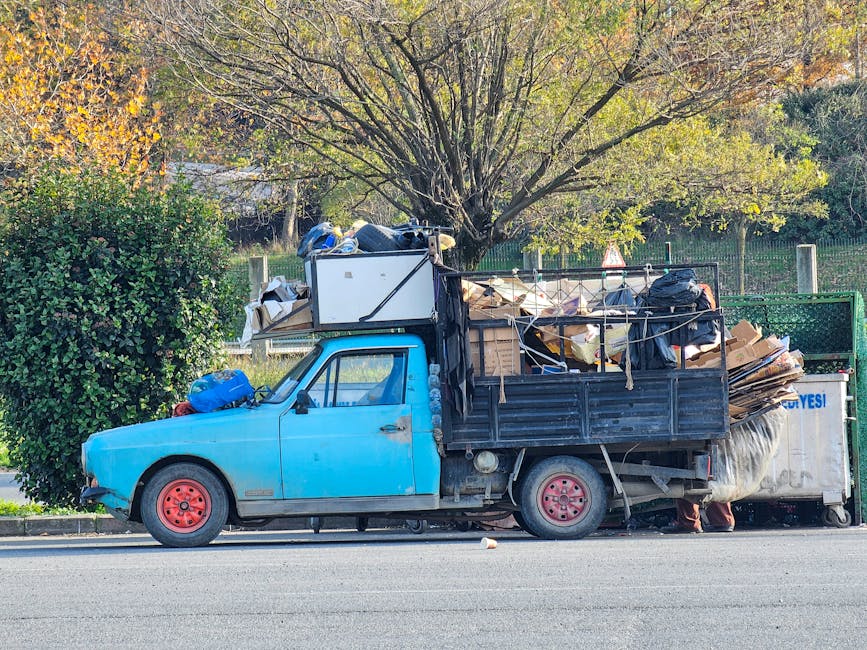
Lambeth, like every London borough, has to manage street cleanliness, illegal dumping, pavement obstruction, and waste handling issues every day. If junk is left out badly, placed in the wrong location, or handed to an unlicensed operator, the consequences can land on the resident, the landlord, the business owner, or the person arranging the clearance. That is the core reason these requirements matter: waste does not disappear just because you have had enough of it.
There are a few different ways penalties can arise. A common one is fly-tipping, which is the illegal dumping of waste. Another is leaving items out in a way that blocks access or creates a hazard. There is also the more boring-but-real issue of using an improper disposal route, especially for mixed rubbish, electricals, bulky items, or anything that should be separated before collection. A small mistake can snowball into an awkward letter, a fine, or a collection that never should have happened in the first place.
People often assume that putting waste on the pavement means the council will sort it out. Not quite. In many cases, waste on public land without proper arrangement can create enforcement problems. Even if your intention is sensible, the method matters. That is the part many households and small businesses miss until it becomes a headache.
Practical takeaway: compliance is not about making junk removal complicated. It is about making sure your waste is collected, transported, and disposed of in a way that does not create legal or environmental problems.
How Avoid fines: Lambeth Council junk removal requirements Works
The basic process is straightforward, though the details matter. First, you identify what needs to go: furniture, office waste, builders' rubble, mixed general rubbish, WEEE items, or perhaps a bit of everything after a move-out. Then you decide how it should be removed. The key is to separate items where necessary and choose a method that matches the volume and type of waste.
In Lambeth, as elsewhere, the safest approach is to ensure the waste goes through a legitimate disposal route. That usually means a licensed waste carrier or a council-approved collection method. If you are booking a private clearance, you should be able to ask basic questions about sorting, transport, and disposal. If the answers feel vague, that is a red flag. Waste work should not sound like a magic trick.
For many people, the process looks like this:
- List the items that need removing.
- Check whether any items need special handling, such as fridges, TVs, paint, mattresses, or confidential papers.
- Arrange access, parking, and collection timing so the waste is not left outside for too long.
- Make sure the collection method is suitable for the street, building, or site.
- Keep records or confirmation where appropriate, especially for business or landlord clearances.
That last point is easy to overlook. If you manage a property or run a business, documentation helps show that you acted responsibly. It is not glamorous, but then again waste rarely is.
For residents and local businesses who want a smoother route, the service details on the homepage at Office Clearance South West London can be a useful starting point. It is often easier to prevent a problem than explain one afterwards.
Key Benefits and Practical Advantages
The obvious benefit is avoiding fines. But there are several other advantages that are just as valuable, especially in busy parts of London where space is tight and neighbours are close by.
- Less risk of enforcement issues: compliant removal reduces the chance of complaints, penalty notices, or messy disputes.
- Cleaner access and safer surroundings: properly timed collections reduce trip hazards and blockages outside your property.
- Better handling of mixed waste: items such as metal, electricals, and furniture can be managed in the right way rather than dumped together.
- More efficient clear-outs: organised junk removal saves time when a move, refurbishment, or office reset is already on the go.
- Peace of mind: you are not wondering whether the old fridge or broken desk is now someone else's problem.
There is also a quieter benefit: your neighbours notice. A tidy, well-managed clearance tends to go down better than bags abandoned by the wall at 7:30 on a damp Tuesday morning. Small thing, but it matters.
Who This Is For and When It Makes Sense
This topic applies to a wider group than many people expect. It is not only for landlords or big refurbishment contractors. In practice, the people who need to understand Lambeth junk removal requirements include:
- homeowners clearing out lofts, garages, or spare rooms
- tenants moving out and disposing of bulky waste
- landlords arranging end-of-tenancy clearances
- letting agents dealing with abandoned items
- office managers replacing furniture or IT equipment
- shop owners clearing stockroom clutter
- builders and decorators managing mixed renovation waste
It makes sense whenever the waste is too much for a normal household collection, too bulky for easy manual handling, or too mixed to be left for a standard bin day. If you have ever stood in a room full of old chairs, broken shelving, and a printer that seems to weigh more than it should, you already know the feeling.
There is another group too: people who are not sure what counts as waste and what counts as reusable goods. That distinction matters. Reusable items can sometimes be sold, donated, or passed on, while waste should be removed through proper disposal channels. A little sorting at the start can save real trouble later.
Step-by-Step Guidance
If you want to avoid fines and keep the clearance moving, a step-by-step approach works best. Rushing usually creates the mess. Calm planning does the opposite.
1. Identify the waste type
Start by separating bulky furniture, general rubbish, electrical items, hazardous materials, and anything reusable. You do not need to overcomplicate it, but you do need to know what you have. A pile of "miscellaneous stuff" is where compliance tends to unravel.
2. Check for special items
Some items need more care than others. Fridges and freezers, for example, should not be treated like old cardboard. Paint tins, chemicals, and certain building materials can also require separate handling. If in doubt, pause and check before loading everything together.
3. Plan access and timing
Think about where the vehicle will stop, whether there is enough room to carry items safely, and whether the building has narrow stairs or lift access. In central and inner London, the practical details often matter as much as the paperwork. A collection that blocks the pavement or sits out too long can create avoidable issues.
4. Use a compliant collection route
Choose a provider or method that can lawfully transport waste. If you are arranging a private clearance, ask how the waste will be handled after collection. The answer should be clear and unforced. Responsible operators are usually comfortable explaining the process in simple terms.
5. Keep proof where it matters
For business, landlord, and managed property work, keep records of what was collected, when it was removed, and who carried it away. You may never need them. But if a question comes up later, proof is worth its weight in coffee, to be fair.
6. Follow up on leftovers
After the main clearance, do a final sweep for broken items, screws, packaging, cables, and old documents. Small leftovers are how people end up feeling "finished" when they are actually not quite finished at all.
Expert Tips for Better Results
From experience, the difference between a smooth junk removal and a stressful one often comes down to preparation. Here are a few practical habits that help.
- Sort before collection day: if the team arrives and everything is already separated, the job tends to move faster and cleaner.
- Measure awkward items: large wardrobes, sofas, and office desks can get stuck in stairwells or door frames. A tape measure saves embarrassment.
- Check parking in advance: in London, parking and loading space can be the hidden bottleneck.
- Keep valuable items aside: old boxes often contain chargers, tools, paperwork, or keys that people only notice are missing after the van has left.
- Ask about recycling and reuse: where suitable, a good clearance plan should consider reuse or recycling before disposal.
A small human tip, slightly unglamorous but very real: walk the property once before the collection starts. You will always spot one extra lamp, one forgotten bag, or one stubborn filing cabinet drawer you had not counted on. Always.
Common Mistakes to Avoid
Most penalties and clearance headaches come from the same handful of mistakes. The good news is they are easy to avoid once you know what to look for.
- Leaving waste on the street too early: this is one of the quickest ways to create complaints or enforcement attention.
- Assuming every collector is compliant: not every clearance operator handles waste lawfully, and that can become your problem.
- Mixing everything together: special waste, electrical items, and general rubbish may need different treatment.
- Ignoring business records: companies and landlords often need a paper trail more than private householders do.
- Forgetting building rules: flats, managed estates, and commercial premises may have their own access or collection rules.
- Thinking "it will be fine" is a plan: it is not. It never really is.
A surprisingly common error is letting a clearance drift into a mini-building site. A pile of rubbish becomes a pile of debris, then a forgotten pile by the entrance. That is the moment problems begin. Not dramatically. Just quietly, and then all at once.
Tools, Resources and Recommendations
You do not need a huge toolkit to manage a compliant clearance, but a few simple items make the process smoother.
- Gloves and sturdy footwear: especially if there are sharp edges, broken plastic, or dusty storage items.
- Dust sheets or bags: useful when moving items through communal areas.
- Tape measure: helpful for bulky furniture and access planning.
- Labels or marker pens: ideal for separating reusable items, waste, and documents.
- Phone camera: a quick photo record can be helpful for property managers and business clearances.
For service-level information, operational details, and company background, you can also review the terms and conditions and privacy policy pages. They are not exciting reading, granted, but they do tell you how a business handles practical and data-related matters.
If you are comparing options, focus on clarity rather than flashy promises. A good provider should be able to explain what they take, how they handle access, and what happens after the collection. Straight answers beat polished marketing every time.
Law, Compliance, Standards, or Best Practice
Waste handling in the UK is governed by a mix of legal duties, council enforcement practices, and common-sense best practice. While the exact operational rules can vary by borough and by waste type, the broad principles are consistent: waste should not be dumped illegally, should not create nuisance or obstruction, and should be transferred only through lawful and responsible routes.
For residents and businesses in Lambeth, that means paying attention to the following:
- Do not leave items where they can be treated as fly-tipping.
- Use lawful waste transfer routes. If a third party is removing waste, they should be appropriately authorised to carry it.
- Separate hazardous or specialist items when needed.
- Keep the pavement, road, and shared access areas clear.
- Follow landlord, estate, or building management rules if applicable.
Best practice also includes respecting neighbours and keeping disruption low. That sounds soft, but it matters. A clearance that starts early, ends promptly, and leaves the site tidy is far less likely to cause complaints. Councils notice patterns, and neighbours do too.
If you are ever unsure, it is safer to pause and confirm the right approach than to improvise. Regulations and local expectations can be more specific for certain items or premises, and the cost of a bad assumption is rarely worth it.
Options, Methods, or Comparison Table
There are several practical ways to handle junk removal in Lambeth. The right choice depends on volume, item type, access, and how much responsibility you want to take on yourself.
| Method | Best for | Pros | Watch-outs |
|---|---|---|---|
| DIY trips to a waste facility | Small volumes, flexible schedules | Full control, useful for mixed personal clear-outs | Time-consuming, transport needed, sorting burden on you |
| Council collection route | Some bulky waste situations | Familiar local process, suitable for certain household needs | May have booking limits, item restrictions, or wait times |
| Private licensed clearance | Large, urgent, or awkward clearances | Fast, convenient, usually handles heavy lifting | Quality varies; always check compliance and clarity |
| Skip hire | Projects with ongoing waste generation | Good for refurbishment or multi-day work | Requires space, permits may be needed, not ideal for every street |
For many people in Lambeth, private clearance is the simplest route when the amount of waste is large or awkward. But it is only a good choice if the operator is organised and the collection is handled properly. Convenience without compliance is not a win.
Case Study or Real-World Example
Picture a small office off a busy Lambeth road on a wet Friday afternoon. The team has finished a refit, and there are old desks, a broken filing unit, boxes of cables, and a couple of monitors that nobody wants to touch. The temptation is to pile everything near the entrance and deal with it later. That would be the risky route.
A better approach is what happened next in a similar real-world clearance: the items were sorted first, the electricals separated, access was checked, and the removal was booked for a time when loading could happen without blocking the doorway. The team kept the corridor clear, the clearance finished in one visit, and the office reopened without any awkward notes from neighbours or building management.
Nothing dramatic. That is the point. Good junk removal should feel almost boring. Boring is good here. It means the waste is gone, the area is tidy, and nobody is counting potential fines in their head.
Home clear-outs work the same way. A family clearing a spare room before a move may think they need only a van and a strong back. In reality, they also need a plan, some separation of items, and a sensible disposal route. The smoother the process, the less likely it is to trigger avoidable problems.
Practical Checklist
Use this checklist before any junk removal in Lambeth:
- Have I identified every item that needs removing?
- Do any items need special handling, such as electricals, liquids, or bulky furniture?
- Have I separated reusable items from waste?
- Do I know where the collection will take place and whether access is clear?
- Have I checked parking, loading, or building restrictions?
- Is the collection method appropriate for the waste type and volume?
- Do I have confirmation or records if this is for business, landlord, or managed property use?
- Have I kept pavements, entrances, and shared areas unobstructed?
- Have I planned for a final sweep after collection?
- Am I confident the waste will be handled lawfully after it leaves the site?
If you can tick most of these off, you are in a much safer place. Not perfect perhaps, but properly on track.
Conclusion
Getting junk removed in Lambeth does not have to be stressful. Once you understand the local expectations, the main risks become easy to manage: do not leave waste in a way that looks like dumping, do not use unclear disposal routes, and do not forget the practical details like access, timing, and sorting. That is the heart of avoiding fines and keeping the whole thing tidy.
The smartest approach is simple: plan early, choose a compliant collection method, and keep everything as straightforward as possible. Whether you are clearing a home, office, or commercial property, a little care at the start saves a lot of mess later. And honestly, that is a relief when you are already juggling enough.
If you would like help making the process easier, start by reviewing the company pages, then make contact when you are ready to move forward.
Get a free quote today and see how much you can save.
When the dust settles and the last unwanted item is gone, you will feel it immediately. Less clutter, less risk, less noise. Just a cleaner space and a bit more breathing room. That counts for a lot.
Frequently Asked Questions
What are Lambeth Council junk removal requirements in simple terms?
They are the practical rules and expectations around how waste should be stored, presented, removed, and disposed of so it does not create fines, complaints, or illegal dumping issues.
Can I leave bulky items on the pavement for collection?
Not safely without the right arrangement. Leaving items out incorrectly can be treated as fly-tipping or an obstruction. Always check the proper route before placing anything outside.
Do I need a licensed waste carrier for junk removal?
If you are using a third party to remove waste, you should make sure they are operating lawfully and can explain how the waste will be handled after collection. That is the sensible standard to follow.
What items need special care during a clearance?
Electrical items, fridges, freezers, paint, chemicals, sharps, and some building materials often need separate handling. Mixed waste is where people commonly slip up.
How can I avoid fines when clearing out my flat?
Sort items first, book a proper collection route, avoid leaving waste out early, and keep access clear. If you are unsure, ask before you put anything on the street.
Is skip hire always the best option?
No. It works well for ongoing projects, but it is not ideal for every street, every property, or every waste type. In tight London locations, a removal service can sometimes be simpler.
What should landlords do with abandoned rubbish?
Landlords should document the condition, check tenancy obligations, and use a lawful clearance method. Keeping records is especially useful if there is later a dispute about responsibility.
How do I know if my waste is being handled properly?
Ask direct questions about sorting, transport, and disposal. A compliant provider should answer clearly, without sounding evasive. If the explanation feels messy, trust that instinct.
Can I mix household junk with office waste?
Sometimes, but it depends on the items. Electricals, confidential papers, and specialist waste may need separation. It is better to divide the load first than sort out a problem later.
What records should I keep after a clearance?
For business or property management work, keep the collection date, what was removed, and confirmation from the company that handled it. That way you have a clear trail if needed.
Why do some clearances cause neighbour complaints?
Usually because the waste blocks access, sits out too long, or creates noise and mess. A tidy, quick, well-timed clearance is much less likely to bother anyone.
Who can help if I want a simple, compliant junk removal solution?
A local company that understands London access, waste handling, and careful clearance planning can make the process far easier. The key is choosing one that values compliance as much as convenience.