Managing Business Waste in South West London
Understanding Business Waste
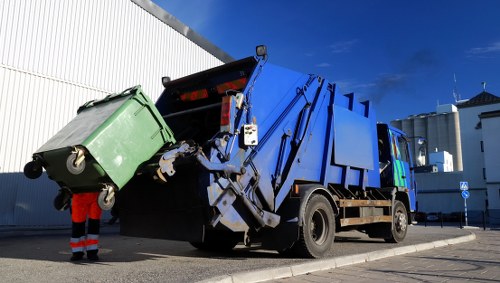
Businesses in South West London generate a significant amount of waste, encompassing a variety of materials from office paper to industrial by-products. Effective waste management is not only a regulatory requirement but also a crucial component of sustainable business practices. Proper handling and disposal of business waste can lead to cost savings, improved operational efficiency, and a positive environmental impact.
Business waste can be categorized into several types, each requiring specific handling and disposal methods. Understanding these categories is the first step towards effective waste management. From recyclable materials to hazardous waste, businesses must navigate a range of regulations and best practices to ensure compliance and sustainability.
In South West London, the local authorities have established comprehensive guidelines to help businesses manage their waste responsibly. Adhering to these guidelines not only helps in maintaining the cleanliness and aesthetic of the area but also contributes to the broader goals of reducing landfill use and conserving natural resources.
Types of Business Waste
![A row of large waste bins and numerous black rubbish bags are positioned on a concrete pavement in an outdoor setting, with some bags leaning against the bins and others scattered nearby. The bins, which have different colors and finishes—some light grey and one darker—are filled with various discarded items, including flattened cardboard boxes and paper debris visible on top of the bins. The black rubbish bags, made of plastic with a slightly crinkled texture, appear full and are stacked irregularly, some standing upright and others leaning or collapsed. Surrounding the waste area is a wooden fence, and the pavement shows signs of wear with minor cracks and stains. In the background, a section of a garden or outdoor space is partially visible behind the fence, emphasizing a typical urban or suburban environment in [POSTCODE] or South West London. This scene exemplifies the type of waste collection managed by Office Clearance South West London, highlighting their rubbish removal services in the local area.](/pub/_photos/rubbish/f1282700816.jpg)
Businesses produce various types of waste, each with its own disposal requirements. The main categories include:
- General Waste: Includes non-recyclable materials such as food scraps, paper towels, and packaging.
- Recyclable Waste: Comprises materials like paper, cardboard, glass, metals, and certain plastics that can be reprocessed.
- Hazardous Waste: Involves substances that are dangerous to human health or the environment, such as chemicals, batteries, and electronic waste.
- Construction and Demolition Waste: Generated from building, renovation, and demolition activities, including concrete, wood, metals, and insulation materials.
- Organic Waste: Consists of biodegradable materials like food waste and garden clippings, which can be composted.
Proper segregation and classification of these waste types are essential for effective waste management. It ensures that recyclable and organic materials are processed appropriately, while hazardous waste is handled with the necessary precautions to prevent environmental contamination.
In South West London, businesses are encouraged to implement waste segregation practices. This not only aids in efficient waste processing but also aligns with the region’s sustainability initiatives aimed at reducing the overall environmental footprint of local businesses.
Regulations and Compliance
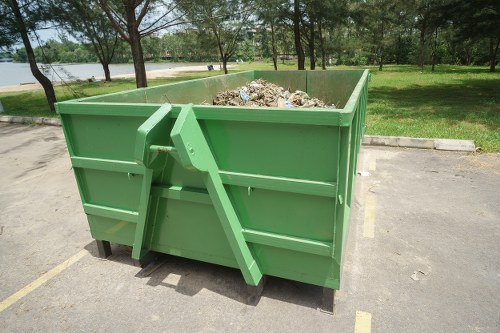
Managing business waste in South West London requires adherence to a series of local and national regulations designed to protect public health and the environment. The Waste Regulations 2011 is a key piece of legislation that outlines the responsibilities of businesses in waste management. Compliance ensures that businesses avoid hefty fines and contribute positively to the community.
Key compliance requirements include:
- Waste Segregation: Properly separating waste into general, recyclable, and hazardous categories.
- Record-Keeping: Maintaining detailed records of waste production, disposal methods, and quantities.
- Transportation: Using certified waste carriers for the removal of hazardous and bulky waste.
- Reporting: Submitting regular waste data to local authorities as part of environmental reporting obligations.
Failure to comply with these regulations can result in penalties and damage to a business’s reputation. Therefore, businesses must stay informed about the latest waste management laws and invest in proper training and resources to ensure ongoing compliance.
Local authorities in South West London offer resources and support to help businesses navigate these regulations. Engaging with local waste management services can provide businesses with tailored solutions that meet both legal requirements and operational needs.
Waste Disposal Services in South West London
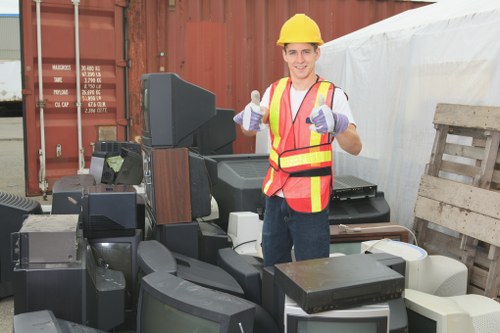
Selecting the right waste disposal service is critical for efficient waste management. South West London boasts a range of professional waste disposal services that cater to diverse business needs. These services offer comprehensive solutions, including regular waste collection, recycling programs, and specialized handling of hazardous materials.
When choosing a waste disposal service, businesses should consider the following factors:
- Service Range: Ensures the provider can handle all types of waste your business generates.
- Compliance Assurance: Verifies that the service meets all local and national waste disposal regulations.
- Environmental Impact: Looks at the provider’s commitment to sustainable practices, such as recycling and reducing landfill usage.
- Cost-Effectiveness: Balances quality of service with affordability to meet budget constraints.
Many waste disposal companies in South West London offer customizable service plans to suit the unique requirements of different businesses. This flexibility allows businesses to scale their waste management solutions as they grow, ensuring ongoing efficiency and compliance.
Engaging with a reputable waste disposal service not only streamlines your waste management processes but also enhances your business’s sustainability profile. It demonstrates a commitment to environmental responsibility, which can be a significant factor in attracting environmentally conscious customers and partners.
Sustainable Waste Management Practices
![The image shows an indoor or garage storage area with a beige stone wall in the background. On the left side, a traditional straw broom with a wooden handle leans against the wall, and a pink plastic dustpan is positioned on the light-colored concrete or stone floor. To the right, there is a stack of discarded electronic equipment, including an old computer monitor with a bulky white case, various computer towers or units, a keyboard, a cordless landline phone, and tangled cables, all resting on a small table or platform. The scene suggests a space cleared of old or unused household or office items, which [Office Clearance South West London] would typically handle during rubbish removal services in the South West London area. The lighting appears natural or softly diffused, highlighting the textures of the stone wall and the mix of materials in the electronic waste. Overall, the image depicts common household or office rubbish ready for collection and disposal, fitting within the context of professional waste management and rubbish clearance services performed in the local area.](/pub/_photos/rubbish/f1346961408.jpg)
Adopting sustainable waste management practices is essential for businesses aiming to minimize their environmental impact. In South West London, businesses are increasingly focusing on sustainability to align with regional environmental goals and meet consumer expectations.
Key sustainable practices include:
- Recycling and Reuse: Implementing robust recycling programs and finding ways to reuse materials can significantly reduce waste production.
- Composting: For businesses that generate organic waste, composting is an effective way to turn waste into valuable compost for gardening and landscaping.
- Reducing Single-Use Items: Minimizing the use of single-use products like plastic cutlery and cups can decrease the volume of non-recyclable waste.
- Energy-Efficient Practices: Using energy-efficient appliances and reducing energy consumption also contribute to lower waste generation.
Investing in sustainable waste management not only benefits the environment but also enhances a business’s reputation. Consumers and partners are increasingly valuing sustainability, making it a key factor in business success.
South West London offers numerous resources and incentives for businesses to adopt sustainable practices. Engaging with local sustainability initiatives can provide businesses with the guidance and support needed to implement effective waste reduction strategies.
Benefits of Effective Waste Management
Implementing effective waste management strategies in your business can yield numerous benefits. Beyond compliance and environmental responsibility, efficient waste management can lead to significant cost savings and operational improvements.
Key benefits include:
- Cost Reduction: Minimizing waste reduces disposal costs and can lead to savings through recycling and reuse of materials.
- Enhanced Reputation: Demonstrating a commitment to sustainability can improve your business’s image and attract environmentally conscious customers.
- Regulatory Compliance: Staying compliant with waste management laws prevents costly fines and legal issues.
- Operational Efficiency: Streamlined waste management processes can enhance overall operational efficiency, freeing up resources for other business activities.
- Environmental Impact: Reducing waste contributes to the conservation of natural resources and the reduction of landfill use, promoting a healthier environment.
By prioritizing waste management, businesses in South West London can achieve a competitive edge, demonstrating their commitment to sustainability and operational excellence. This not only benefits the environment but also fosters long-term business growth and success.
Taking proactive steps in waste management sets your business apart in a crowded marketplace. It signals to stakeholders that your business is forward-thinking and responsible, qualities that are increasingly valued in today’s economy.
Implementing a Waste Management Plan
Developing a comprehensive waste management plan is crucial for businesses aiming to handle their waste effectively. A well-structured plan outlines the processes for waste collection, segregation, recycling, and disposal, ensuring that all aspects of waste management are covered.
The steps to implement an effective waste management plan include:
- Assessing Waste Generation: Conduct an audit to determine the types and amounts of waste your business produces.
- Setting Goals: Define clear objectives for waste reduction, recycling targets, and sustainability milestones.
- Developing Strategies: Create strategies for waste segregation, recycling, and disposal that align with your business operations.
- Training Employees: Educate your staff on proper waste handling procedures and the importance of waste management.
- Monitoring and Evaluation: Regularly review your waste management processes to identify areas for improvement and ensure goals are being met.
Implementing a waste management plan not only organizes your waste disposal processes but also embeds sustainability into your business operations. It creates a framework that supports ongoing waste reduction and environmentally responsible practices.
Businesses in South West London can leverage local resources and consult with waste management professionals to develop and refine their waste management plans. This collaboration ensures that your plan is comprehensive, effective, and tailored to your specific business needs.
Innovative Waste Management Solutions
Innovation plays a key role in advancing waste management practices. In South West London, businesses are increasingly adopting cutting-edge solutions to enhance their waste management efficiency and sustainability.
Some innovative solutions include:
- Waste-to-Energy Technologies: Converting waste into energy through processes like incineration, which reduces landfill use and generates power.
- Smart Waste Bins: Utilizing IoT-enabled waste bins that monitor waste levels and optimize collection schedules.
- Biodegradable Packaging: Switching to packaging materials that break down naturally, reducing the environmental impact of business operations.
- Circular Economy Practices: Designing business models that prioritize the reuse and recycling of materials, minimizing waste generation.
Embracing these innovative solutions can help businesses stay ahead of waste management trends, enhance their sustainability credentials, and achieve greater operational efficiency.
South West London’s vibrant business community fosters innovation by providing access to technology partners, sustainability consultants, and collaborative networks. Engaging with these resources can help your business implement advanced waste management solutions effectively.
Case Studies: Successful Waste Management in Local Businesses
Examining case studies of local businesses that have successfully implemented effective waste management strategies can provide valuable insights and inspiration. These examples demonstrate the practical applications and benefits of robust waste management practices.
One such example is a local restaurant that adopted a comprehensive recycling program, significantly reducing its waste output and lowering disposal costs. By partnering with a waste disposal service specializing in food waste, the restaurant was able to compost organic waste and recycle packaging materials effectively.
Another case is a manufacturing company that implemented waste-to-energy technologies, converting its production waste into usable energy. This not only minimized the company’s environmental footprint but also reduced its energy costs, demonstrating a win-win scenario for both the business and the environment.
These success stories highlight the tangible benefits of proactive waste management, encouraging other businesses in South West London to adopt similar strategies. Learning from local leaders can guide your business in developing and refining its own waste management practices.
Future Trends in Business Waste Management
The landscape of business waste management is continually evolving, driven by technological advancements and changing regulatory landscapes. Staying informed about future trends can help businesses in South West London prepare for upcoming challenges and opportunities.
Key trends to watch include:
- Increased Automation: Automation in waste sorting and processing to enhance efficiency and accuracy.
- Advanced Recycling Technologies: Innovations in recycling methods to handle a wider range of materials and improve recycling rates.
- Greater Emphasis on Sustainability: Enhanced focus on sustainable practices, including circular economy models and reduced reliance on single-use materials.
- Regulatory Changes: Potential tightening of waste management regulations, requiring businesses to adopt more stringent waste handling practices.
- Digitalization: Use of digital tools and platforms to manage waste data, track compliance, and optimize waste management processes.
Preparing for these trends involves investing in new technologies, training staff, and staying abreast of regulatory developments. Proactive adaptation can position your business as a leader in sustainable waste management, ensuring long-term success and compliance.
South West London’s dynamic business environment provides ample opportunities for businesses to engage with emerging waste management trends. By leveraging local expertise and resources, your business can navigate the future of waste management with confidence.
Conclusion
Effective management of business waste in South West London is essential for regulatory compliance, operational efficiency, and environmental sustainability. By understanding the types of waste, adhering to regulations, selecting the right disposal services, and adopting sustainable practices, businesses can significantly reduce their environmental impact and contribute to a cleaner, greener community.
Implementing a robust waste management plan and staying informed about innovative solutions and future trends will position your business as a responsible and forward-thinking entity. The benefits of effective waste management extend beyond compliance, fostering cost savings, enhanced reputation, and long-term business growth.
Ready to optimize your business waste management? Contact us today to explore tailored solutions that meet your unique needs and drive your business towards a sustainable future.
