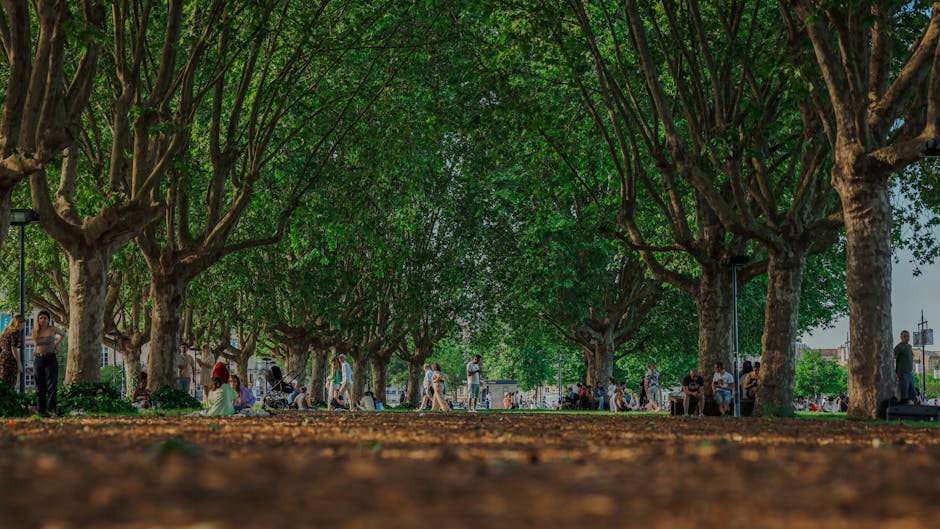
Case Study Battersea Park Event Rubbish Clearance After Festivals
When the last crowd drifts away and the music fades, the real work starts. A case study Battersea Park event rubbish clearance after festivals shows what it actually takes to clear a busy London park quickly, safely, and without leaving a mess behind for the morning walkers, local residents, or park teams. This is not just about picking up litter. It is about timing, access, waste sorting, public safety, and making the site feel like it was never overwhelmed in the first place.
If you are planning a festival, managing an outdoor event, or simply trying to understand how post-event rubbish clearance works in a place like Battersea Park, this guide walks through the practical side of it. You will see the process, the benefits, the common mistakes, and the standards that usually matter in the background. Truth be told, the difference between a smooth turnaround and a stressful cleanup is often in the small details.
One thing people sometimes underestimate? Festival waste is rarely uniform. You get cardboard from deliveries, drinks containers, food packaging, signage, cable ties, temporary structures, and the odd broken chair that somehow always appears at the end. All of it needs a plan.
Table of Contents
- Why It Matters
- How It Works
- Key Benefits and Practical Advantages
- Who This Is For and When It Makes Sense
- Step-by-Step Guidance
- Expert Tips for Better Results
- Common Mistakes to Avoid
- Tools, Resources and Recommendations
- Law, Compliance, Standards, or Best Practice
- Options, Methods, or Comparison Table
- Case Study or Real-World Example
- Practical Checklist
- Conclusion
- Frequently Asked Questions
Why Case Study Battersea Park Event Rubbish Clearance After Festivals Matters
Battersea Park is a high-profile public space. After a festival, the area can be busy with staff, contractors, park users, and sometimes other events close behind. That makes rubbish clearance more than a tidy-up job. It becomes part of the event's reputation and, in a very real sense, part of the park's operational recovery.
Fast and organised clearance matters for a few straightforward reasons. First, it reduces the risk of litter blowing across paths, lawns, or planted areas. Second, it lowers the chance of pest issues, sharp-object injuries, and trip hazards. Third, it helps everyone involved move from event mode back to normal park use with less friction. Simple, but not always easy.
There is also a visual and emotional effect. A space that looks cared for after a festival reassures visitors and nearby residents. A space left strewn with cups, cable, and half-crushed boxes does the opposite. Let's face it, people notice the aftermath almost as much as the event itself.
For organisers, this matters commercially too. A cleaner handover can support smoother relationships with venues, councils, contractors, and future booking opportunities. It shows that waste management was considered from the start, not improvised at the end.
In a park setting, that level of care carries extra weight because you are working around grass, footpaths, trees, wildlife, and public access. There is no "out of sight, out of mind" shortcut. Not really.
How Case study Battersea Park event rubbish clearance after festivals Works
Post-festival rubbish clearance usually begins before the festival even ends. A good team will plan waste collection points, identify vehicle access routes, and agree a clean-down sequence with the event organiser or site manager. By the time the final act finishes, the crew should know which areas to hit first and what needs sorting on the move.
The work usually happens in stages. Surface litter is removed first, because it affects safety and appearance most quickly. Then larger items are collected: packaging, signage, pallets, damaged barriers, catering waste, and any temporary event materials that need to go. Finally, the crew checks hidden spots such as behind staging, around fencing, under seating, and along shrub edges where waste tends to gather like it is hiding. Which, to be fair, it often is.
Depending on the setup, waste may be separated into general rubbish, recycling, mixed event waste, and bulky items. Food waste and liquids can need extra attention because they smell, attract pests, and make bags heavy fast. Wet waste on a warm evening is never glamorous. It just is not.
In practice, the service is about three things: speed, sorting, and site sensitivity. Speed matters because parks and event spaces often have narrow turnaround windows. Sorting matters because mixed waste is expensive and less sustainable. Site sensitivity matters because you do not want to damage turf or block access routes while clearing debris.
For teams handling related work elsewhere in southwest London, services such as rubbish removal, waste clearance, and waste collection often sit alongside event clean-downs, especially when the same contractor handles multiple waste streams or locations.
Key Benefits and Practical Advantages
The most obvious benefit is a cleaner site. But that is only the starting point. Proper event rubbish clearance after a festival supports safety, speed of reinstatement, and better waste handling overall.
- Reduced hazards: loose glass, food scraps, cable offcuts, and broken materials are removed before they become a problem.
- Faster site handback: clear access and efficient loading help parks return to normal use sooner.
- Better recycling potential: separated materials are easier to divert from landfill or mixed disposal.
- Lower stress for organisers: the team has a plan instead of a last-minute scramble.
- Less complaint risk: nearby residents and park users are less likely to be affected by lingering mess or odour.
- Cleaner brand impression: a tidy exit says the event was professionally managed from start to finish.
There is also a less visible benefit: better forecasting. Once you understand what kind of waste a festival produces, you can predict container needs, labour requirements, and collection timing much more accurately next time. That saves money and makes the whole operation feel less like guesswork.
A small practical point, but an important one: efficient rubbish clearance is often helped by good on-site behaviour during the event itself. If bins are overfilled, if signage is unclear, or if staff do not check waste points through the day, the final cleanup becomes slower and messier. The aftercare starts before the crowd leaves.
Who This Is For and When It Makes Sense
This kind of service is most useful for festival organisers, event production teams, park managers, local contractors, and venue teams responsible for a fast turnaround. If you are running a food festival, live music event, outdoor cinema, community fair, brand activation, or seasonal celebration, chances are you will need a structured post-event cleanup plan.
It also makes sense when the event footprint includes a mix of waste types. For example, a park festival may involve catering tents, temporary seating, branding materials, floral displays, fencing, and equipment packing. That is not the sort of job you want handled as a vague "we'll sort it out later" arrangement. Later has a habit of becoming expensive.
Smaller events can benefit too. A modest one-day gathering can still create more waste than expected, especially if it includes food vendors or lots of packaging. In those situations, the value lies in the speed and convenience of having someone clear everything in one go.
It also makes sense when access is constrained. Public parks often have limited vehicle movement, narrow windows for loading, and rules around ground protection. Clearance teams with event experience usually understand how to work around those limitations without turning a lawn into a tyre track pattern.
If the event site is part of a broader local operation, it can also help to look at related clearance services such as business waste, waste removal, or even rubbish clearance where the cleanup includes mixed post-event materials and general site debris.
Step-by-Step Guidance
A sensible festival rubbish clearance process usually follows a predictable rhythm. The details change from site to site, but the order of operations is broadly the same.
- Assess the site before the event ends. Walk the area, note the likely waste hotspots, and identify access points for crews and vehicles.
- Separate waste streams where possible. Bins or sacks for general waste, recycling, and bulky items make the back-end job much easier.
- Prepare loading routes. Keep paths clear so waste can be moved without blocking staff, visitors, or emergency access.
- Prioritise public-facing areas. Clear entrances, main walkways, and seating areas first so the site looks and feels safer straight away.
- Collect bulkier items next. This includes cardboard, broken signage, portable furniture, and event kit that needs to go.
- Check hidden and awkward spots. Waste often gathers behind barriers, around trees, near food prep areas, and under temporary structures.
- Load and remove waste efficiently. Use the right vehicle or container type to avoid repeated trips and unnecessary disruption.
- Do a final sweep. This last pass catches the little things: bottle caps, tape, ties, scraps, and anything the wind has had a go at.
- Confirm the handback condition. Agree that the site is ready for its next use, whether that is public access, maintenance, or another event.
That final sweep is often where the job becomes excellent instead of merely acceptable. A crew can do ninety-five per cent of the work quickly. The last five per cent takes patience, and yes, a bit of crawling around sometimes. Not glamorous, but very effective.
Expert Tips for Better Results
After enough event clearances, a pattern emerges. The best jobs are rarely the ones with the biggest teams. They are the ones with the clearest setup, the best timing, and the least ambiguity.
Plan waste handling as part of the event build, not as an afterthought. If the event is still being installed, the clearance strategy should already be in place. That means knowing where rubbish will be created and where it will go.
Use colour-coded sacks or clearly labelled bins where practical. Even simple separation improves sorting later. It also makes it easier for temporary staff or volunteers to do the right thing without second-guessing.
Schedule collections before the site gets overwhelmed. Waiting until everything is piled high creates bottlenecks. Smaller, more regular clearances are often smoother, especially near catering zones.
Keep an eye on weather. A windy evening can spread lightweight waste farther than you expect. Rain can turn cardboard soggy and increase weight fast. Classic London behaviour, really.
Protect surfaces and access routes. Where vehicles or carts need to move over sensitive ground, ground protection and controlled movement can prevent avoidable damage. A clean site is good. A clean site with intact turf is better.
Build in a final site sign-off. A quick walk-through with the organiser or site lead catches missed items before everyone leaves. It is much easier to fix a missed patch then than discover it the next day.
Keep notes for the next event. What waste appeared in unexpected quantities? Which route worked best? Which bin point filled too quickly? Tiny observations add up.
Common Mistakes to Avoid
Festival clear-ups often go wrong in familiar ways. The good news is that most of them are preventable.
- Leaving clearance until the end: if no one is checking waste during the event, the final workload balloons.
- Underestimating bulky waste: one staging area can produce a surprising amount of timber, cardboard, and mixed packaging.
- Ignoring hidden areas: rubbish behind fencing, under tables, and beside trees is easy to miss in poor light.
- Mixing waste streams unnecessarily: everything in one pile may be faster in the moment, but it can reduce recycling and complicate disposal.
- Using the wrong vehicle or container size: too small and you are making repeated trips; too large and you may be paying for capacity you do not need.
- Forgetting site protection: some surfaces cannot cope well with heavy movement, especially after rain.
- Skipping the final sweep: little items left behind can create a poor impression and raise safety concerns.
Another common one: not agreeing who is responsible for what. Is the caterer clearing their own waste? Is the venue handling the perimeter? Is the event contractor removing all left-behind materials? If that answer is fuzzy, the cleanup usually becomes fuzzy too.
Tools, Resources and Recommendations
Good rubbish clearance is part planning, part kit, part practical judgement. You do not need dozens of specialised tools, but the right basics make a noticeable difference.
- Heavy-duty sacks and bin liners: for general litter, food packaging, and mixed waste.
- Reusable containers or cages: useful for sorting bulky items and keeping materials contained.
- Gloves and basic PPE: standard protective gear helps reduce cuts and contact with sharp or unsanitary waste.
- Hand trolleys or sack trucks: helpful for moving heavier loads without overexertion.
- Tarps or covers: can protect waste in unstable weather and help keep materials together.
- Torches or work lights: essential for late finishes or early morning clearances.
- Labelled waste zones: simple signage can improve segregation more than people expect.
For related jobs, it can help to understand the difference between waste disposal and waste removal. Disposal usually refers to what happens after collection, while removal is the physical job of taking the waste away from site. In practice, both matter, but they are not quite the same thing.
When a job includes larger pieces of furniture or event fit-out items, services like furniture disposal or builders waste may be relevant depending on the materials involved. That sounds obvious, but plenty of event clearances include a bit of everything.
Law, Compliance, Standards, or Best Practice
Any event rubbish clearance in London should be treated with proper care around waste duty, safe handling, and site responsibility. You do not need to turn the whole thing into a legal seminar, but you do need a sensible process.
In the UK, organisers and waste handlers generally need to make sure waste is stored, transferred, and disposed of responsibly. That usually means using a legitimate carrier, keeping materials segregated where practical, and avoiding fly-tipping or unsafe storage. If any waste is handled incorrectly, the consequences can include complaints, delays, or enforcement issues. No one wants that on the Monday after a festival.
For public spaces like Battersea Park, best practice usually includes:
- keeping walkways and exits clear during cleanup;
- avoiding damage to grass, trees, planted areas, and hard surfaces;
- using appropriate PPE for workers;
- separating recyclable materials where feasible;
- making sure any sharp, wet, or hazardous waste is treated carefully;
- documenting handover and collection arrangements clearly.
Depending on the event, food waste, sharps, broken glass, or contaminated materials may need extra caution. If you are unsure what a specific waste stream requires, it is better to ask before collection day than improvise under pressure. That little pause can save a lot of bother.
Where indoor or office-linked event operations are involved, related services such as office clearance or house clearance may also inform how mixed waste is separated and removed, especially when event equipment is stored off-site between uses.
Options, Methods, or Comparison Table
There is more than one way to clear post-festival waste. The right option depends on site size, waste volume, timing, and how much sorting is needed.
| Method | Best For | Advantages | Limitations |
|---|---|---|---|
| On-site manual clearance | Light litter and small-scale events | Quick to start, flexible, useful for final sweeps | Labour-heavy; not ideal for bulky waste |
| Vehicle-based collection | Larger festivals and mixed waste loads | Efficient for transporting bulky or heavy items | Needs access planning and loading space |
| Staged clearance in phases | Busy sites with tight turnaround | Prevents bottlenecks, keeps public areas tidier during exit | Requires strong coordination |
| Mixed waste removal with sorting later | Jobs where speed matters most | Fast initial removal | Can reduce recycling opportunities if overused |
| Separate stream collection | Events aiming for better recycling and control | Cleaner waste handling, easier recovery of materials | Needs better planning and more discipline on site |
In many real-world situations, a hybrid approach works best. For example, a team may do an immediate walk-through litter pick, then remove bulky waste in a vehicle load, then return for a detailed final sweep once the site has quietened down. Not fancy. Just sensible.
Case Study or Real-World Example
Here is a realistic example based on the sort of work that happens after a park festival in southwest London.
A multi-zone weekend event in a park setting finishes late on a Sunday. The site includes food stalls, temporary seating, branded barriers, cardboard deliveries, light event furniture, and general crowd waste. The organiser needs the area back quickly for scheduled park access and early maintenance checks.
The clearance is split into stages. First, the main walkways, entrances, and food areas are cleared so the park stops looking "in progress". Then bulk waste is removed from behind stalls and storage points. Cardboard is separated from mixed waste where possible. The team then checks along fence lines, under benches, and near planting beds, because that is where the stray items tend to land once the crowds shift out.
By starting with visible areas and working inward, the crew keeps the site presentable while reducing hazards. By using separate piles for reusable or recyclable materials, they also avoid turning everything into one large mixed load. That is the bit clients often appreciate after the fact, because it keeps the process tidy rather than chaotic.
What made the job work? Clear access, a simple route plan, and a final sweep just before handover. No magic. No drama. Just practical control, a decent pace, and people who knew where to look when the obvious mess was gone.
There was also a small but useful lesson: the event team had prepared waste points in advance, which meant far less litter drifted into the far edges of the park. That one decision probably saved a lot of time. Sometimes the best cleanup tip is not a cleaner. It is better planning the day before.
Practical Checklist
Use this checklist before, during, and after festival rubbish clearance. It keeps the process grounded and helps avoid the "we thought someone else had that" problem.
- Confirm the site layout and access route
- Identify waste hotspots such as food zones and entry points
- Agree which waste streams will be separated
- Provide enough sacks, liners, and collection containers
- Set a final sweep time before handover
- Make sure workers have PPE and safe lifting practices in place
- Protect sensitive ground where vehicles or carts will pass
- Remove visible litter first for safety and presentation
- Collect bulky items, signage, and packaging next
- Inspect hidden spots behind barriers, stalls, and seating
- Check for sharps, broken glass, or wet waste
- Load waste securely for transport off-site
- Walk the site once more before signing it off
- Record any issues for the next event
Quick expert summary: the best festival clearance is planned early, cleared in stages, and finished with a proper walk-through. If those three things happen, the rest is usually manageable.
Conclusion
A case study Battersea Park event rubbish clearance after festivals is really a lesson in good timing, clear responsibility, and practical waste handling. The park setting adds pressure because the site is public, green, and often time-sensitive. That means every decision matters a little more: where waste is stored, how it is sorted, how fast it moves, and how carefully the ground is protected.
For organisers, the big takeaway is straightforward. Post-event clearance is not a final chore. It is part of the event itself. The smoother the plan, the cleaner the handback, and the better the next booking relationship tends to be. Small details matter here, perhaps more than people like to admit.
If you are comparing options for a festival, park event, or busy outdoor cleanup, start with the kind of waste you expect, the access available, and the turnaround time you need. The rest becomes much easier once those basics are clear.
Get a free quote today and see how much you can save.
Frequently Asked Questions
What does event rubbish clearance after a festival usually include?
It usually includes litter picking, bagging, removal of cardboard and packaging, bulky waste collection, and a final site sweep. Depending on the event, it can also include separating recyclable materials and clearing temporary fixtures.
Why is Battersea Park a different kind of cleanup environment?
Because it is a public green space with paths, planting, and shared access. That means clearance has to be careful, timely, and respectful of both the park surface and the people using it afterwards.
How quickly should post-festival rubbish be removed?
As quickly as practical. In many cases, the best approach is to start as soon as safe access is available and keep going in phases until the site is fully handed back.
Can festival waste be recycled properly?
Often, yes, but it depends on how well waste is separated on site. Cardboard, some plastics, and certain packaging materials are easier to recycle when they are not mixed with general rubbish or food waste.
What are the biggest problems with park event rubbish clearance?
The biggest issues are usually poor planning, mixed waste, access restrictions, hidden litter, and damage to surfaces. Weather can also make the job harder very quickly.
Do I need specialist equipment for a festival cleanup?
Not always specialist, but definitely the right practical kit. Heavy-duty sacks, gloves, trolleys, torches, and clear waste zones make a real difference. Bigger sites may need vehicles or containers as well.
How do I avoid making the cleanup more expensive?
Plan waste points early, separate materials where you can, avoid overfilling bins, and do not leave all the work to the end. Small site decisions often control the final cost more than people expect.
What should I check before the team leaves the site?
Check visible litter, hidden corners, sharp items, spill areas, and any waste left near entrances or paths. A final walk-through is worth the time every single time.
Is it better to clear everything in one go or in stages?
For small, simple sites, one main clearance may be enough. For larger festival setups, a staged approach is usually safer and more efficient because it prevents bottlenecks and keeps the site manageable.
What kind of waste is most commonly missed after festivals?
Small items are often missed: bottle caps, ties, tape, food scraps, cigarette ends, and bits of packaging tucked near barriers or under furniture. They are easy to overlook and annoying to find later.
Who is responsible for festival rubbish once the event ends?
That depends on the agreement between the organiser, venue, contractor, and any vendors. It should always be clear in advance. If it is not, problems tend to appear at the worst possible time.
Can a clearance team work around other park users?
Yes, but it requires careful timing, good communication, and safe access routes. In public spaces, the cleanup needs to balance efficiency with courtesy and public safety.
In the end, good event clearance is not flashy. It is steady, thorough, and quietly reassuring. And honestly, that is exactly what a place like Battersea Park deserves after the last festival light goes out.