Clapham High Street Event Rubbish Removal Plan: A Practical Guide for Smooth, Clean Events
Planning an event on Clapham High Street sounds exciting until the bins start overflowing, the wrappers pile up, and the last guest leaves just as the street begins to look a bit tired. That is where a proper Clapham High Street event rubbish removal plan makes all the difference. Whether you are organising a community market, pop-up activation, late-opening venue night, street-facing promotion, or a private function with a lot of footfall, the waste plan is not an afterthought. It is part of the event itself.
Done well, waste removal keeps the site tidy, reduces complaints, supports safe movement around entrances and exits, and makes the clean-up feel calm rather than frantic. Done badly, it can leave you with bad impressions, blocked access, and a last-minute scramble that nobody enjoys. Let's face it, nobody wants to be the person hunting for bin bags at 10:45 pm with half a crowd still hanging around.
This guide walks through how a Clapham High Street event rubbish removal plan should work, who needs one, how to build it, what mistakes to avoid, and how to choose the right removal approach for the scale of your event. If you are comparing service options, it also helps to understand the difference between rubbish removal, rubbish collection, and broader waste clearance support, because those terms are often used interchangeably but do not always mean the same thing operationally.
Table of Contents
- Why Clapham High Street event rubbish removal plan Matters
- How Clapham High Street event rubbish removal plan Works
- Key Benefits and Practical Advantages
- Who This Is For and When It Makes Sense
- Step-by-Step Guidance
- Expert Tips for Better Results
- Common Mistakes to Avoid
- Tools, Resources and Recommendations
- Law, Compliance, Standards, or Best Practice
- Options, Methods, or Comparison Table
- Case Study or Real-World Example
- Practical Checklist
- Conclusion
- Frequently Asked Questions
Why Clapham High Street event rubbish removal plan Matters
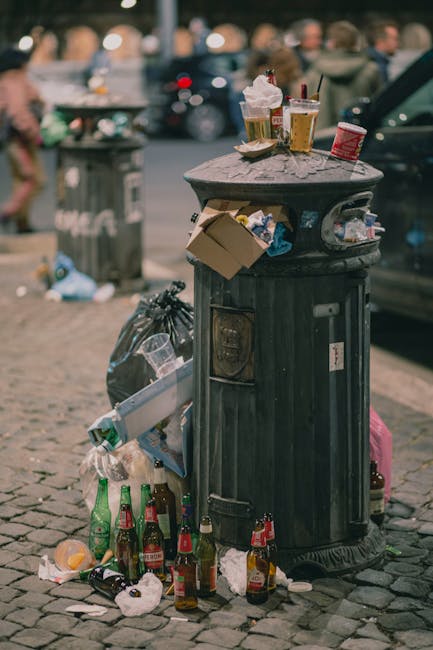
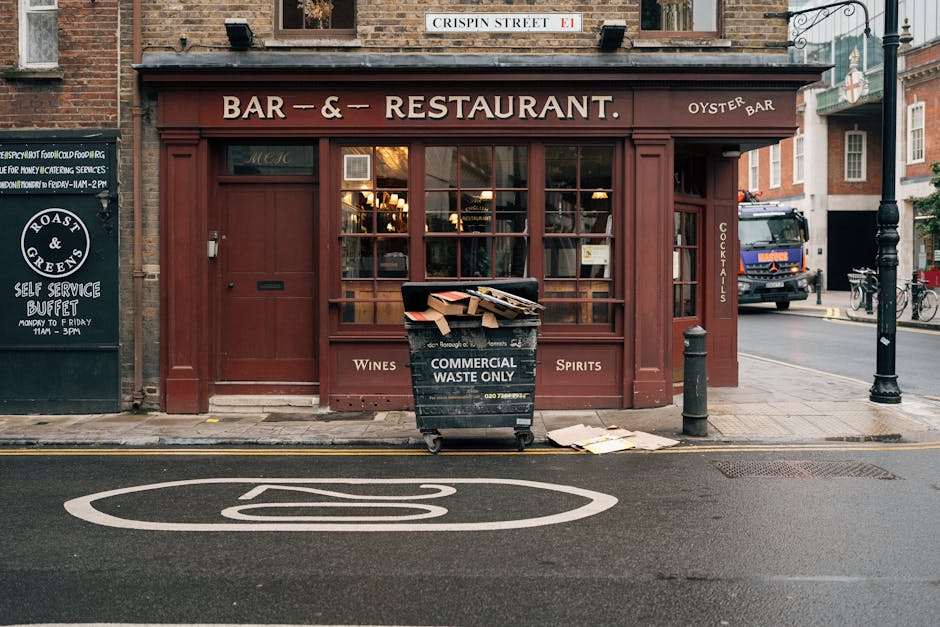
Clapham High Street is busy, visible, and constantly in motion. That is exactly why waste planning matters so much there. Events on a high street are not tucked away in a private yard where a few bags can sit unnoticed until morning. Waste is visible to passers-by, neighbours, traders, delivery drivers, and customers. In plain English: if the rubbish is badly managed, everybody sees it.
A strong plan also affects the way your event feels. Clean spaces feel safer, more organised, and more welcoming. You can have great food, a lively atmosphere, and solid footfall, but if the waste starts creeping across the pavement, the whole thing feels less professional. People notice that. More than you might think.
There is also the practical side. Event waste can build up quickly: cups, cans, food packaging, cardboard, broken signage, pallet wrap, floral waste, display materials, and the odd bit of furniture or borrowed kit that suddenly needs moving. If you are running a larger setup, it may overlap with business waste, furniture disposal, or even temporary office-style clean-up needs. In those cases, related services like business waste support or furniture disposal may be more appropriate than a basic one-off collection.
Expert summary: A good event rubbish removal plan is not just about taking waste away. It is about keeping the site safe, keeping operations moving, and protecting your reputation while the event is still live.
How Clapham High Street event rubbish removal plan Works
At its simplest, the plan has three parts: prevent, separate, remove. You reduce waste where possible, sort it into sensible streams, and get it removed at the right time. That sounds neat on paper. In real life, it means thinking about bins, crew, storage, access, timings, and what happens when the event ends later than expected.
1. Prevention starts before the doors open
The cleanest event waste is the waste you do not create in the first place. That does not mean cutting corners; it means making good choices. For example, use clearly marked reusable containers where possible, avoid unnecessary packaging from suppliers, and place bins where people naturally pause rather than hiding them behind barriers. People tend to use what is easiest to reach. Human nature, really.
2. Sorting helps the removal process
Separate general rubbish from cardboard, soft plastics, glass, food waste, and bulky items whenever your event allows it. Even a simple split between mixed waste and recyclables can reduce confusion later. If your event includes catering, drinks, or backstage prep areas, the waste stream often becomes more complex than people expect. A few extra labelled sacks at the start can save a lot of hassle at the end.
3. Removal needs timing, not just transport
Waste collection should match the rhythm of the event. For a small event, a single end-of-night clear-up may be enough. For a busier setup, mid-event sweeps are often smarter because they stop overflow before it starts. On a busy Friday or Saturday evening near Clapham High Street, that timing matters a lot. The pavement can get lively fast, and so can the mess.
In practice, event rubbish removal may involve bagged waste, cage storage, a small van collection, or scheduled pickups after shut-down. If there are heavier items involved, such as staging boards, damaged signage, or leftover event furniture, then a more robust waste removal approach may be needed rather than a standard bin emptying arrangement.
Key Benefits and Practical Advantages
A solid Clapham High Street event rubbish removal plan gives you more than a cleaner pavement. It makes the whole event more manageable. Here are the main advantages.
- Better presentation: visitors see an organised event rather than a messy one.
- Safer movement: fewer trip hazards, blocked walkways, and overfilled waste points.
- Less stress for staff: your team spends less time firefighting and more time running the event.
- Faster end-of-event clear-down: the site can be handed back in a tidier, more controlled state.
- Improved neighbour relations: nearby businesses and residents are less likely to be irritated by overflow or odour.
- Cleaner operational flow: catering, merchandising, and logistics all work better when waste is under control.
There is a quieter benefit too: confidence. When your waste plan is sorted, everything else feels easier. The team knows where bags go, what gets collected when, and who is doing what. You do not get that last-minute "where's the bin lorry?" panic. That alone is worth something.
For events that generate a mix of loose rubbish and larger items, it can be useful to combine event waste planning with general clearance services. A one-off clean-up may be enough, but if the event leaves behind stock, displays, or temporary fixtures, then rubbish clearance can offer a neat solution for the aftermath.
Who This Is For and When It Makes Sense
This plan is relevant for anyone organising waste-heavy or footfall-heavy activity on or near Clapham High Street. That includes venue managers, retail teams, event coordinators, market traders, PR agencies, production teams, hospitality operators, and landlords hosting temporary activations. If people, packaging, and timing are all involved, you need a plan. Simple as that.
It makes particular sense when the event:
- runs later into the evening
- has food or drinks service
- uses temporary structures, staging, or branded materials
- expects steady footfall rather than a small closed-group audience
- has limited back-of-house storage
- needs a fast handover to the venue, landlord, or council-linked site manager
It also matters if your event includes office-style prep, stock rooms, or admin spaces. Temporary offices, green rooms, and loading areas can generate their own clutter, from packaging to broken chairs. In those situations, an office clearance style approach may be useful after the event, especially where furniture or equipment needs to be taken away in one organised sweep.
Step-by-Step Guidance
If you want a plan that actually works on the day, build it in stages. Not glamorous, but it works.
- Estimate what waste the event will create. Start with the basics: guest numbers, catering, packaging, printed material, display items, and any build or break-down waste.
- Map the waste points. Decide where bins, sacks, and holding areas should go so they are easy to access but do not block flow.
- Choose your waste streams. Keep it practical. Mixed waste, cardboard, and food waste are often enough for smaller events. Larger events may need more separation.
- Assign responsibility. Someone should own the plan. That person needs authority to call for a sweep, arrange a collection, or escalate if things go sideways.
- Schedule collections. Build in a mid-event check and a post-event clear-down. If the event is noisy, busy, or unpredictable, leave room for an extra pickup.
- Prepare bagging and storage. Use durable sacks, lined bins, and a secure holding spot that is not exposed to public access or weather.
- Arrange transport and disposal. Make sure the waste can be moved safely and legally to the next stage, whether that is collection, transfer, or disposal.
- Do a final sweep. Check entrances, smoking areas, seating spaces, loading bays, and any places where waste tends to hide. Cup lids under a bench. Flyers by the curb. You know the sort of thing.
If the event is the kind that creates heavier rubble, stage offcuts, or construction-style leftovers, then a specialist route is more appropriate. In that case, it may be worth considering builders waste handling for the set-up and break-down phase, rather than treating everything as ordinary rubbish.
Expert Tips for Better Results
From experience, the best waste plans are the ones that stay boring. Not boring to the audience, obviously. Just calm, predictable, and easy to follow behind the scenes.
- Put bins where people naturally stop. Near exits, food zones, and queue points tends to work better than hidden corners.
- Use signage that says exactly what goes where. Keep wording short. People do not want a lecture while holding a tray.
- Leave spare capacity. If you think you need eight bags, plan for ten. Events have a habit of outgrowing tidy assumptions.
- Protect the route to collection. Make sure bags can be moved out without crossing busy guest areas.
- Separate breakable waste carefully. Broken glass, ceramics, and sharp display fragments should not be thrown into loose mixed waste.
- Do a mid-event review. A quick 5-minute check can stop an overflowing bin from becoming a messy problem later.
If furniture or large display pieces are being removed after the event, do not leave them as an afterthought. That kind of clutter can slow the handover and create unnecessary pressure. A dedicated furniture disposal plan is often the difference between a tidy close and a very long night.
And yes, a little over-preparation is fine. Nobody ever said, "That event went brilliantly because they only brought three bin bags."
Common Mistakes to Avoid
Most event waste headaches come from the same few mistakes. They are easy to make, especially when organisers are dealing with permissions, suppliers, lighting, crowd flow, and a dozen other moving parts.
- Underestimating waste volume: Events always seem to produce more packaging and leftovers than expected.
- No named owner: If everyone is responsible, nobody really is.
- Putting bins in the wrong place: If bins are awkward to reach, people will leave waste on tables, ledges, or the ground.
- Ignoring the break-down phase: People focus on guest-facing moments and forget the mess created during dismantling.
- Mixing bulky items with general waste: This slows everything down and can create safety issues.
- Leaving collections too late: Once waste piles up, clean-up becomes slower and less pleasant.
Another common slip is not thinking through the storage space. A narrow rear courtyard or shared access area can fill up fast. If your event is on a busy stretch like Clapham High Street, that issue becomes even more obvious because access windows are tighter and everyone is trying to move at once. It is not dramatic, just inconvenient. Still a problem though.
Tools, Resources and Recommendations
You do not need a complicated toolkit, but you do need the right basics. The smarter the setup, the less messy the finish.
| Tool or resource | Why it helps | Best used for |
|---|---|---|
| Heavy-duty bin bags | Reduces tearing and leaking during peak waste periods | General event waste, packaging, food debris |
| Labelled bins or sacks | Makes sorting much easier for staff and guests | Recycling, mixed waste, food waste |
| Gloves and grabbers | Speeds up tidy-ups and improves safety | Spill response, final sweep, outdoor clear-down |
| Trolley or sack barrow | Helps move heavier bags without dragging them | Back-of-house transfers, end-of-night movement |
| Collection schedule | Keeps the event from drifting into overflow | Mid-event sweeps and final removal |
| Clear responsibility sheet | Prevents confusion about who does what | Team allocation and handover |
For some organisers, the most useful resource is simply a reliable clearance partner who can deal with whatever turns up. That might include waste collection, waste disposal, or a fuller waste removal service depending on how much material the event generates and how quickly it needs clearing.
Law, Compliance, Standards, or Best Practice
Waste handling in the UK is not something to guess at. The exact obligations depend on the event, the type of waste, the premises, and the people involved, so it is sensible to treat compliance carefully. If your event produces commercial waste, food waste, hazardous items, sharp waste, or bulky objects, it should be managed in line with accepted legal duties and local requirements.
In practical terms, that means:
- using a responsible carrier or clearance route for removed waste
- keeping waste stored safely and securely before collection
- avoiding blocked exits, pavements, and loading access
- separating hazardous items where applicable
- ensuring staff understand safe manual handling
- following venue, landlord, and local authority instructions where they apply
If you are unsure about the classification of your waste, get that checked before the event. That is much easier than trying to fix it after the fact. For example, food-heavy events and hospitality setups may have different handling expectations from a simple promotional launch. Likewise, an event that leaves behind stock, fixtures, or shopfit remnants may require a different approach from a standard post-party clear-up. When in doubt, ask early and document the plan.
Best practice also means keeping your plan proportionate. A small launch does not need a military operation. A large festival-style street event, on the other hand, really does need structure. Somewhere between those two is the sweet spot.
Options, Methods, or Comparison Table
There is no single correct method for every event. The right choice depends on timing, waste volume, access, and the type of material involved. Here is a simple comparison that helps narrow it down.
| Method | Best for | Pros | Limitations |
|---|---|---|---|
| On-site bin management | Small to medium events with predictable waste | Simple, visible, low disruption | Can overflow fast if footfall rises |
| Mid-event sweep plus final collection | Busier events with continuous waste generation | Prevents build-up, keeps areas tidy | Needs staffing and schedule discipline |
| Single end-of-event clearance | Short events with lower waste volume | Efficient and cost-conscious | Less forgiving if waste accumulates during the event |
| Bulk removal / clearance approach | Events with large items, packaging, or temporary fit-out waste | Handles mixed and bulky loads well | More planning needed, especially for access and loading |
In many real situations, the best answer is a blend. A small launch might need bin monitoring during the day and one clean-up at the end. A larger public-facing event on Clapham High Street may need more active waste movement, especially if food traders, branded displays, or temporary furniture are involved.
Case Study or Real-World Example
Imagine a Friday evening event on Clapham High Street with a small stage, drinks service, a branded entrance area, and a few temporary seating zones. At 5 pm the site looks tidy. By 7 pm, cup waste has started collecting near the queue point, cardboard packaging is building up behind the bar, and a few loose flyers have blown under seating.
Without a plan, the team ends up doing awkward little emergency runs with bag after bag, interrupting service and creating clutter around guests. The clean-up starts to feel like a second event nobody booked.
Now compare that with a better setup. There are labelled bins near the most active spots, a staff member checks waste at set intervals, and one area behind the service zone is kept clear for bag consolidation. The final sweep takes less time because the waste has been managed as the evening went on. No drama. No mountain of rubbish at midnight. Just a steady, sensible finish.
That is the real value of planning ahead. It turns the end of the event into a controlled handover instead of a last-minute scramble. And if the event also leaves behind benches, display units, or a tired sofa from a pop-up lounge area, a targeted service like sofa removal can stop those items from lingering long after everything else has gone.
Practical Checklist
Use this quick checklist before the event begins. It is simple, but honestly it covers most of what goes wrong.
- Have you estimated the likely waste volume?
- Do you know which waste streams will be created?
- Are bins and sacks placed where people will actually use them?
- Has one person been assigned to oversee waste during the event?
- Is there a mid-event check scheduled?
- Is there a clear final collection or removal time?
- Do staff know where to take bagged waste and bulky items?
- Have sharp, breakable, or potentially hazardous items been separated?
- Is the loading or collection route unobstructed?
- Has the site been checked for hidden litter, packaging, and spill residue?
If you can answer yes to most of those, you are already ahead of the game. Not perfect. But properly prepared, which is what matters.
Conclusion
A well-built Clapham High Street event rubbish removal plan is not just about tidiness. It is about keeping the event safe, keeping the atmosphere positive, and making sure the close-down phase feels controlled rather than chaotic. The best plans are practical, flexible, and matched to the realities of the site, the crowd, and the type of waste being created.
Whether you are dealing with a one-off launch, a public-facing activation, or a larger event that produces bulky leftovers, the same principle applies: plan early, keep waste visible and manageable, and use the right removal method for the job. That is how you protect the experience for guests, staff, and everyone passing by on the high street.
If you want support with waste that needs collecting, moving, or fully clearing away after your event, take a moment to line up the right service before the pressure builds. It makes the whole process lighter, and a lot less frantic.
Get a free quote today and see how much you can save.
Frequently Asked Questions
What is a Clapham High Street event rubbish removal plan?
It is a practical plan for preventing, sorting, storing, and removing waste created by an event on or near Clapham High Street. The goal is to keep the event site safe, tidy, and easy to hand back at the end.
Why do events on Clapham High Street need a waste plan?
Because the area is busy and highly visible. Waste can build up quickly, block access, and affect how professional the event looks. A plan helps you stay ahead of overflow and keeps the finish smoother.
How early should I arrange rubbish removal for an event?
As early as possible. Ideally, waste handling should be part of the planning stage rather than something added at the last minute. That gives you time to match collection timings to your event schedule.
What kind of waste is usually produced at an event?
Common event waste includes cups, cans, packaging, food leftovers, cardboard, printed materials, broken display items, and sometimes bulky furniture or staging components. The mix depends on the event format.
Do I need separate bins for different waste types?
Not always, but it helps. Even basic separation between mixed waste and cardboard can make collection easier and reduce confusion for staff and guests.
What is the difference between rubbish removal and waste collection?
Waste collection usually refers to scheduled pickup of bagged or sorted waste, while rubbish removal often suggests a more complete clear-out that may include loading, transport, and disposal of mixed or bulky items.
Can I use one plan for both the event and the breakdown afterwards?
Yes, but it should have separate phases. Event-time waste handling and post-event clearance often need different timings, routes, and staff responsibilities.
What should I do if bulky items are left behind?
Separate them from the general waste and arrange a proper clearance route. Bulky items should not be left to clog up the final sweep or placed where they could become a hazard.
How do I stop bins from overflowing during the event?
Use the right number of bins, place them well, and schedule mid-event checks. Overflow usually means the site needs more capacity or a better collection rhythm, not just more effort at the end.
Is a Clapham High Street event rubbish removal plan only for large events?
No. Even small events benefit from a basic plan. The larger the event, the more essential it becomes, but smaller activations can still create surprising amounts of waste.
What if my event creates mixed rubbish and furniture waste?
That is fairly common with pop-ups, launches, and temporary venue setups. Mixed rubbish can be handled separately from larger items, and services such as furniture disposal or general waste removal may be needed alongside collection.
How do I choose the right removal option for my event?
Look at volume, access, timing, and the type of waste involved. A simple event may only need bin management and one final pickup, while a larger setup may need a fuller clearance approach with bulky item removal.
What is the main mistake people make with event rubbish?
Underestimating how quickly waste builds up. That is the classic one. Once bins are full and access is tight, the job becomes slower, messier, and more stressful than it needed to be.
Should I plan for the event ending later than expected?
Yes, absolutely. Delays happen. Guests linger, schedules slip, and the final clear-down often starts later than planned. A little flexibility in your removal timing helps a lot.