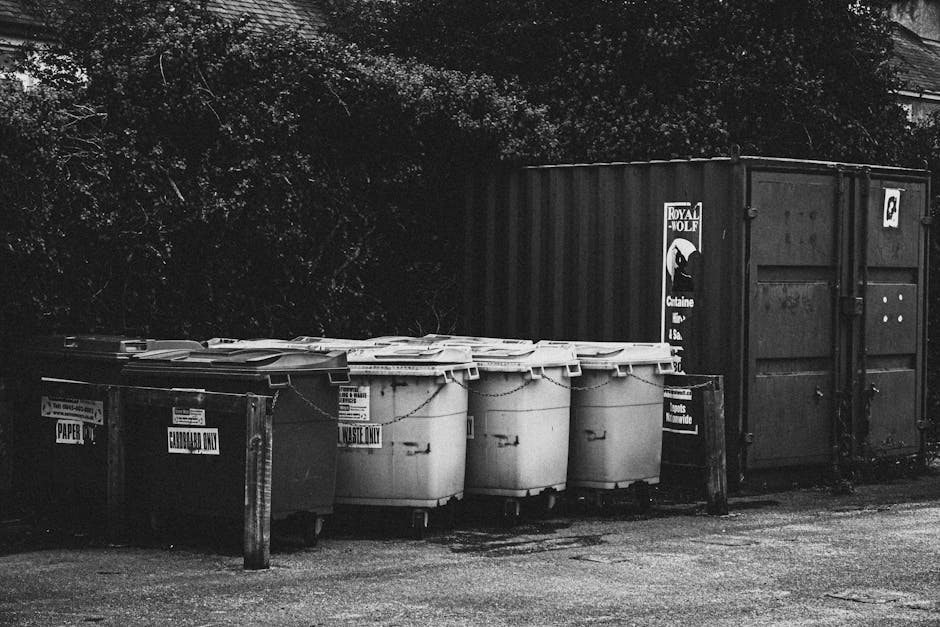
Clapham SW4 Bulky Waste Guide for Homeowners
If you live in Clapham SW4, bulky waste can quickly become one of those jobs that sits at the edge of the to-do list: the old sofa in the hallway, a broken wardrobe in the spare room, a mattress that has overstayed its welcome, or garden furniture that has seen one too many winters. This guide to bulky waste for homeowners in Clapham SW4 explains what counts as bulky waste, how removal usually works, what to watch out for, and how to choose a sensible disposal method without turning it into a weekend disaster.
Whether you are clearing a flat, refreshing a house, or making space after a move, the goal is simple: remove large items safely, lawfully, and with as little stress as possible. Along the way, you will also find practical tips, comparison guidance, and relevant service links for related clearance needs such as house clearance, furniture disposal, and sofa removal.
Table of Contents
- Why bulky waste matters for Clapham homeowners
- How bulky waste removal works in practice
- Key benefits and practical advantages
- Who this guide is for
- Step-by-step guidance
- Expert tips for better results
- Common mistakes to avoid
- Tools, resources and recommendations
- Law, compliance, standards and best practice
- Options, methods and comparison table
- Case study / real-world example
- Practical checklist
- Conclusion
- Frequently asked questions
Why Clapham SW4 bulky waste guide for homeowners Matters
Bulky waste is not just "a few big bits to get rid of". In a busy area like Clapham SW4, large items can become awkward very quickly. Narrow stairwells, basement flats, limited kerb space, controlled parking, and shared access all make the job more complicated than it first appears. A wardrobe that looks manageable in a bedroom can become much less charming halfway down a staircase.
For homeowners, the main issue is that bulky items tend to disrupt the household. They take up room, create trip hazards, and make cleaning or decorating harder. If you are preparing to sell, rent out, refurbish, or simply regain space, bulky waste removal becomes a practical priority rather than an optional chore.
There is also a bigger picture. Bulky items often contain recyclable components, reusable materials, and waste streams that should be separated responsibly. A sensible disposal plan can keep usable furniture in circulation, reduce landfill pressure, and lower the chance of accidental fly-tipping. If you want a broader overview of disposal and collection services, the main rubbish clearance and waste removal pages are useful starting points.
In short, bulky waste matters because it affects space, safety, time, and compliance. Ignore it and the problem usually gets heavier, literally and figuratively.
How Clapham SW4 bulky waste guide for homeowners Works
Bulky waste removal in Clapham SW4 usually follows a straightforward pattern: identify the items, decide whether they can be reused or recycled, choose a removal method, and arrange collection or drop-off. The details vary depending on the item type and how much you have.
As a homeowner, you will usually be dealing with items such as sofas, wardrobes, beds, mattresses, tables, chairs, white goods, shelving, exercise equipment, or general oversize household clutter. Some items are easy to move, while others need dismantling before removal. A flat-pack wardrobe that was assembled in a weekend can often be disassembled in about the same amount of time. Sometimes less, if the screws are not playing ball.
Most bulky waste jobs fall into one of four broad approaches:
- Council collection: suitable for some household items, usually subject to booking, item limits, and scheduling rules.
- Private bulky waste collection: useful when you want flexibility, speed, or help with lifting and loading.
- Reuse or donation: suitable if the item is still in decent condition and someone else can use it.
- Self-removal: possible if you have access to a suitable vehicle and can load items safely.
The best choice depends on the number of items, the access at your property, how quickly you need the space cleared, and whether you want a single-item pick-up or a broader clearance. If the job includes mixed household waste, storage overflow, or old furniture from several rooms, a more complete home clearance or flat clearance service may be more efficient than booking multiple separate collections.
Key Benefits and Practical Advantages
A good bulky waste plan saves more than space. It saves decision fatigue, prevents last-minute panic, and helps you avoid the common trap of leaving a large item in the hallway "just for now".
The main benefits are practical and immediate:
- Safer movement around the home: fewer obstructions in hallways, staircases, and entrances.
- Faster decorating or refurbishing: you can actually get to the walls, floors, and storage areas.
- Better use of space: valuable square footage is returned to daily use.
- Cleaner disposal route: items are handled with the right destination in mind, not dumped at random.
- Less strain on your schedule: you avoid repeated trips, loading issues, and sorting confusion.
There is also a reassurance factor. Knowing that the bulky items will be removed in one organised process makes the rest of the household plan easier. That matters if you are juggling work, children, visitors, or a move date. One clear collection can reset the space fast.
For mixed disposal needs, some homeowners choose a broader waste clearance solution so they can deal with bulky items and smaller unwanted clutter together. That can be especially helpful after a renovation, a loft clear-out, or a spring declutter that got slightly out of hand.
Who This Is For and When It Makes Sense
This guide is for Clapham homeowners who need to remove large items without wasting time or creating avoidable hassle. It is especially relevant if you are:
- clearing a house before sale or letting
- replacing furniture after a move
- dealing with damaged or unusable items
- refreshing a rental property between tenancies
- clearing a garage, spare room, loft, or basement
- handling the leftovers from a DIY project or refurbishment
It also makes sense when the item is too bulky for normal waste bins, too heavy to move safely alone, or too awkward to carry through the property. A sofa in the front room may not seem urgent until you need to get a ladder, vacuum, or paint tin past it every day.
If the bulky item is part of a larger set of household waste, it may be worth looking at related services such as furniture disposal, garage clearance, or house clearance. These services can turn a messy multi-room job into something far more manageable.
Step-by-Step Guidance
Here is a practical, homeowner-friendly process you can follow when dealing with bulky waste in Clapham SW4.
- List every item clearly. Write down what needs to go, including dimensions if possible. Don't forget hidden extras like divan bases, headboards, broken shelving, or bulky packaging.
- Check whether any item can be reused. If it is in good condition, donation or resale may be better than disposal. This is especially true for solid furniture, working appliances, and items with little wear.
- Separate mixed waste from bulky items. Put cardboard, loose rubbish, and small fragments aside so they do not complicate the collection.
- Measure access routes. Check door widths, stair turns, lift sizes, and kerb access. In older Clapham properties, access is often the hidden challenge.
- Decide whether dismantling is needed. Some wardrobes, bed frames, and desks are easier and safer to remove in parts.
- Choose the right collection method. If you only have one item and no time pressure, one approach may work. For multiple pieces, a broader clearance is usually more efficient.
- Book a suitable time slot. Avoid rushing on a day when parking is tight or the building is busy with deliveries, school runs, or tradespeople.
- Prepare the items for safe removal. Clear surrounding space, remove fragile items, and keep children and pets out of the way.
- Confirm what happens after collection. Good providers should be able to explain whether items will be reused, recycled, or disposed of responsibly.
If you are already preparing a property for a bigger tidy-up, the same process applies to a wider home clearance or targeted garage clearance. The key is to plan once and handle everything in the right order.
Expert Tips for Better Results
A few small decisions can make bulky waste removal much easier.
First, avoid waiting until the item becomes an obstacle. Once something blocks a hallway or sits in a front garden, it becomes more stressful to move and more visible to neighbours or passers-by. Deal with it early and you reduce hassle on all sides.
Second, think in categories, not in random piles. Group furniture together, separate reusable items, and keep waste streams tidy. This makes quotations more accurate and can help the crew work faster.
Third, photograph the items before booking. Pictures help you remember what is actually there and reduce misunderstandings. They are especially helpful if the item has been partially dismantled or is stored in a loft, shed, or basement.
Fourth, check whether the item contains hazards. Old furniture may have sharp fixings, broken glass, or embedded nails. Mattresses and upholstered items can be awkward because of size and fabric rather than weight, so they need clear handling space.
Fifth, keep the route clear. Even a perfect collection can be delayed by bicycles, shoes, plant pots, or a parked car in exactly the wrong spot. A clean pathway saves time and lowers the chance of damage.
For single large furniture items, it can be worth checking the dedicated sofa removal page if your main issue is seating, rather than a broader household load. That kind of targeted choice often makes the whole process more efficient.
Common Mistakes to Avoid
Bulky waste is one of those jobs where small errors lead to big inconvenience. Here are the mistakes homeowners make most often.
- Guessing the size or quantity: If you underdescribe the items, the collection may not go to plan.
- Leaving everything mixed together: Mixed waste slows the job and makes reuse or recycling harder.
- Forgetting access limitations: Tight stairs, low ceilings, and narrow entrances matter more than you expect.
- Assuming every item can just be left outside: Some items should not be placed on the pavement without proper arrangement.
- Using the wrong vehicle or equipment: A large item in a small car is not a plan; it is a story you will tell later with regret.
- Ignoring safety: Twisting, lifting, and dragging heavy furniture can cause damage to walls, floors, or your back.
One subtle mistake is overcomplicating the job. Sometimes homeowners try to save a little money by breaking everything down themselves, but the extra time, tools, and risk outweigh the benefit. The better approach is to match the method to the actual job, not the imagined one.
Tools, Resources and Recommendations
Homeowners do not need a warehouse full of gear, but a few basic tools make a difference:
- measuring tape for doors, stair turns, and item dimensions
- work gloves for grip and minor protection
- basic tools for dismantling furniture, such as screwdrivers and an Allen key set
- dust sheets or cardboard to protect floors on the route out
- labels or tape for separating reusable items, recycling, and disposal
In terms of services, the most useful resource is the one that matches the shape of your job. A few examples:
- rubbish removal for straightforward collections that do not need a full property clearance
- rubbish collection when you need items collected from the property itself
- waste disposal when responsible end-of-life handling is the main concern
- contact the team if you need help deciding which service fits your situation
And if you are undertaking a larger property clean-out, it can be worth starting with the service page that best fits the job rather than splitting it into several smaller bookings. That usually reduces friction and makes the result feel more organised.
Law, Compliance, Standards and Best Practice
For bulky waste, the safest rule is simple: make sure your items are handed over to a lawful, traceable route. In the UK, homeowners should take care not to leave waste with an unknown collector or anyone who cannot clearly explain what happens next. If waste is fly-tipped after collection, that can create unnecessary problems for everyone involved.
Best practice usually means:
- choosing a provider that can explain collection and disposal clearly
- checking that the service is suitable for the type of waste you have
- keeping evidence of the booking or collection, where appropriate
- being honest about what the load contains, especially if it includes mixed materials
- handling electrical items and hazardous materials separately when needed
It is also sensible to think about reuse before disposal. A sofa, table, or wardrobe in decent condition may have a second life. If an item cannot be reused, recycling becomes the next best option where facilities allow it.
For homeowners, compliance is less about bureaucracy and more about due care. Ask a few simple questions: Where does it go? How is it processed? What is included in the collection? Those questions are not overthinking it; they are the difference between a tidy solution and an avoidable headache.
Options, Methods, or Comparison Table
Choosing the right bulky waste method depends on how much you need removed, how quickly you need it done, and how much lifting you want to do yourself. Here is a practical comparison.
| Method | Best for | Pros | Trade-offs |
|---|---|---|---|
| Council bulky waste collection | Single items or limited household loads | Familiar option, suitable for basic needs | May involve booking limits, waiting times, and item restrictions |
| Private bulky waste collection | Urgent or access-heavy jobs | Flexible, often faster, crew handles loading | Cost varies by volume, weight, and access |
| Reuse or donation | Items in good condition | Extends item life, avoids waste where possible | Not every item qualifies; timing can be unpredictable |
| Self-removal | Small loads with vehicle access | Can suit handy homeowners with time and transport | Manual handling, disposal rules, and transport effort fall on you |
If your property has several bulky items plus general clutter, a broader service such as waste clearance or home clearance often gives better value than trying to manage each item separately.
Case Study or Real-World Example
Consider a typical Clapham SW4 homeowner preparing a two-bedroom flat for decorating. The property has an old three-seater sofa, a mattress, a broken desk, a wardrobe that has already been partly dismantled, and several bags of odds and ends from the spare room.
The first instinct is often to tackle the sofa alone and leave the rest for later. But that usually creates more disruption because the remaining items still block access, and the decorating cannot really begin until the space is clear. A better approach is to identify all the bulky items together, separate the reusable bits, and arrange a single removal visit.
In this kind of scenario, the homeowner benefits from a more complete clearance plan. The sofa and mattress can be treated as bulky furniture, the desk can be dismantled if needed, and the smaller clutter can be bundled into a wider household clearance. The result is less back-and-forth, fewer lifting attempts, and a room that is actually ready for the next stage.
That is the practical difference between "getting rid of a thing" and "solving the space problem".
Practical Checklist
Use this checklist before booking or arranging removal.
- List all bulky items that need to go
- Take photos of each item from a clear angle
- Measure large items and access points
- Separate reusable items from true waste
- Remove small loose items from around the main load
- Check whether dismantling will make removal safer
- Protect floors and walls along the moving route
- Confirm parking or access arrangements if needed
- Keep pets and children away during collection
- Ask where the waste will be taken
If you want the job handled with minimal disruption, start from the service that best matches your load, then expand only if needed. That keeps the process neat and saves you from booking the wrong thing twice.
Conclusion
Bulky waste removal in Clapham SW4 is usually less about brute force and more about good planning. Once you know what you have, how access works, and which route is most appropriate, the job becomes far more manageable. For homeowners, that means less clutter, less stress, and a clearer route back to a usable home.
Whether you are dealing with one stubborn sofa or a full household clear-out, the smart move is to treat bulky waste as a practical project: measure, sort, choose the right service, and make sure the end destination is responsible. That approach saves time, reduces risk, and generally makes life easier. Which, to be fair, is the point.
For further help with a tailored collection or broader property clearance, explore the relevant service pages and arrange the next step when you are ready.
Get a free quote today and see how much you can save.
Frequently Asked Questions
What counts as bulky waste in a Clapham SW4 home?
Bulky waste usually means large household items that do not fit into normal bins or standard collection methods. Typical examples include sofas, beds, wardrobes, tables, mattresses, and large appliances.
Can I leave bulky waste outside my property for collection?
Sometimes, but you should not assume this is acceptable without arranging it properly. The safest approach is to confirm the collection method in advance and make sure the items are placed exactly as instructed.
Is it better to book a bulky item collection or a full house clearance?
If you only have one or two items, a simple collection may be enough. If the job includes several rooms, mixed clutter, or furniture plus general waste, a fuller clearance is usually more efficient.
What should I do before a sofa or wardrobe is removed?
Clear the route, measure doorways, remove loose items, and check whether the furniture needs to be dismantled. A little preparation often saves a lot of time on collection day.
Are mattresses treated differently from other furniture?
Often, yes. Mattresses are bulky but relatively light compared with solid furniture, and they can require separate handling or disposal arrangements depending on the service used.
How do I know if a bulky item can be reused instead of thrown away?
If the item is clean, intact, and still functional, it may be suitable for reuse. Minor wear is common, but serious damage, structural failure, or contamination usually makes disposal the better option.
What if I have bulky waste in a flat with narrow stairs?
That is very common in Clapham SW4. In those cases, access planning matters more than usual. Dismantling items, protecting surfaces, and using a crew experienced with tight access can make a big difference.
Do I need to sort bulky waste before collection?
Yes, ideally. Sorting helps separate reusable items, recyclable materials, and genuine waste. It also makes the collection quicker and reduces the risk of misunderstandings.
Can old furniture be collected together with smaller rubbish?
Often it can, provided the service allows mixed loads. If you have bulky items plus bags of smaller waste, a broader rubbish or home clearance service may be the cleanest solution.
How far in advance should I arrange bulky waste removal?
That depends on urgency and availability. For a planned clear-out, it is sensible to book early. If the item is causing a blockage or you need the space cleared fast, quicker options may be worth considering.
What are the main risks of doing bulky waste removal myself?
The main risks are injury, property damage, and disposal mistakes. Heavy lifting, awkward stairs, and the wrong vehicle can quickly turn a simple job into a messy one.
How can I choose a trustworthy provider?
Look for clear explanations of what is collected, how it is handled, and what happens next. A good provider should be straightforward about the process and able to answer practical questions without confusion.