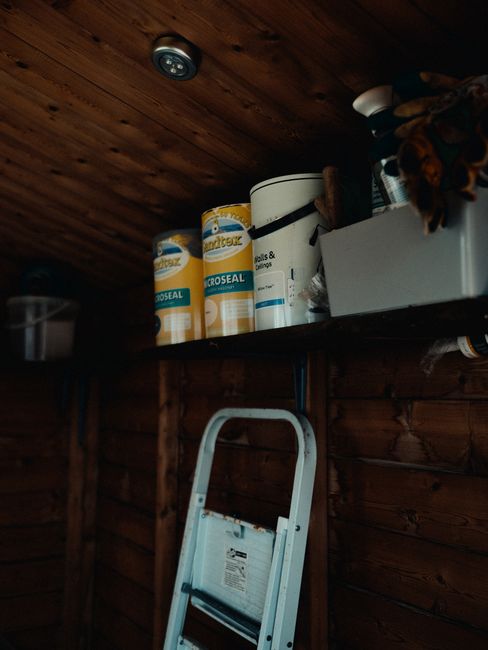
Garage and loft clearance success in Wandsworth
Garage and loft clearance success in Wandsworth is rarely just about "getting rid of stuff". In real life, it is usually about reclaiming space, reducing stress, and finally dealing with the boxes, old furniture, and forgotten odds and ends that have quietly piled up over the years. If your garage feels like a storage spillway or your loft has become a dusty archive of holiday decorations, broken lamps, and half-finished projects, you are not alone. Truth be told, most people get stuck at the same point: they know the clutter has to go, but they are not sure where to start.
This guide walks through how to plan a clear-out properly, what success actually looks like, and how to avoid the mistakes that turn a simple job into a long weekend of frustration. You will also find practical advice for deciding whether a DIY approach makes sense, when a professional service is the better call, and how to keep the result tidy for the long term.
Table of Contents
- Why garage and loft clearance matters
- How the clearance process works
- Key benefits and practical advantages
- Who this is for and when it makes sense
- Step-by-step guidance
- Expert tips for better results
- Common mistakes to avoid
- Tools, resources and recommendations
- Law, compliance and best practice
- Options, methods and comparison table
- Case study or real-world example
- Practical checklist
- Conclusion
- Frequently asked questions
Why garage and loft clearance matters
A garage or loft is meant to be useful. In many homes, though, these spaces become the place where "I'll sort that later" items go to live indefinitely. In Wandsworth, where storage space can be at a premium and homes are often worked hard by busy family life, that extra room can be more valuable than people first realise.
A successful clear-out matters because it changes how the property works day to day. A garage can go back to housing bikes, tools, and seasonal items instead of random furniture. A loft can become safer to access, easier to inspect, and less likely to hide damage, damp patches, or old items that no one actually wants.
There is also a practical side. When items are left in cramped storage for too long, they become harder to sort and more awkward to move. Cardboard weakens, fabric picks up dust, and awkward items seem to multiply. That annoying squeak of a loft hatch, the smell of old timber, the wobble of a forgotten stack of boxes - it all tells you the space has been left too long.
For many households, a professional home or house clearance can be part of a wider plan, especially if the garage or loft is linked to a move, renovation, bereavement, or general reset. Services such as home clearance and house clearance can help when the job spills beyond one room and becomes a full-property project.
How garage and loft clearance success in Wandsworth works
At its simplest, the process is a controlled sort, lift, remove, and dispose routine. The trick is doing it in the right order. A good clearance starts with inspection, not lifting. You need to know what is actually up there, what can be reused, what must be recycled, and what is simply waste.
In a typical garage or loft clearance, the work usually follows four stages:
- Survey the space. Identify access issues, awkward items, fragile materials, and anything potentially hazardous.
- Sort by category. Keep, donate, sell, recycle, and dispose. Simple categories work best. Too many categories just create another mess.
- Remove safely. Carry bulky or heavy items with care, especially boxes stored overhead or items packed tightly in a garage corner.
- Clear the waste properly. Use the right collection or disposal route for the material involved, whether that is general rubbish, furniture, garden offcuts, or building debris.
For larger or mixed loads, a general rubbish removal or waste clearance approach is often the most efficient option. If you are dealing with a lot of awkward items, a service that handles rubbish clearance can make the process feel much less chaotic. And yes, chaos is usually the word here.
Success also depends on access. Loft jobs are different from garage jobs. Loft clearance often means stairs, ladders, loft hatches, insulation, and limited headroom. Garage clearance usually means heavier objects, wet surfaces, oil stains, old paint tins, and the occasional mystery item from the back of the shelf. Not glamorous, but very real.
Key benefits and practical advantages
There is a reason people feel lighter after clearing a garage or loft. It is not just the empty floor space. It is the mental shift that comes with seeing a space properly again.
- More usable storage space. You can finally store the things you actually use.
- Safer access. Fewer trip hazards, fewer unstable piles, and a lower chance of something falling unexpectedly.
- Better visibility. It becomes much easier to spot leaks, damage, pests, or damp.
- Less stress. A clear space tends to feel calmer, and that matters more than people admit.
- Improved property presentation. Helpful if you are preparing to sell, rent, or renovate.
- Cleaner disposal decisions. Once the clutter is sorted, you can separate recycling, reuse, and disposal more sensibly.
There is a small but meaningful advantage in working with the right disposal route too. For instance, old shelving, unwanted chairs, or tired sofas are often easier to move as part of a dedicated furniture pickup rather than being dragged into a general bin plan. If that is relevant, furniture disposal and even sofa removal can save time and a fair bit of backache.
And let's be honest, nobody ever regretted having more headroom in a loft. Nobody.
Who this is for and when it makes sense
This kind of clearance is useful for all sorts of people, not just those doing a big move. In Wandsworth, it is especially common for homeowners, landlords, tenants, families, and people managing inherited properties to need a structured clear-out. It also makes sense if you are preparing space for a conversion, a home office, or a new storage system.
You may need this if:
- your garage has become a catch-all for broken household items
- your loft is so full you cannot safely reach the insulation or inspect the roof
- you are clearing after a renovation and have extra debris to move
- you are dealing with mixed waste, old furniture, and heavy items at once
- you want to make a property easier to market or hand over
- you simply want the space back, which is fair enough
Some jobs are straightforward enough for a weekend DIY effort. Others are not. If you are dealing with difficult stairs, bulky furniture, or a loft that has not been opened properly in years, the job can become more complicated than it first looked. That is where a service such as garage clearance makes a lot of sense, especially if you want the space dealt with quickly and without turning the whole house upside down.
If the clutter came from a broader property sort-out, a flat clearance or full home clearance may be a better fit than handling the garage or loft in isolation. That kind of judgement call matters. A good plan starts with the real size of the job, not the hope that it will somehow feel smaller on the day.
Step-by-step guidance
If you want garage and loft clearance success in Wandsworth, work methodically. Speed helps, but structure helps more.
- Start with a quick reality check. Look at the space as it is now. What is bulky? What is fragile? What is actually worth keeping?
- Make access safe. Clear the route first. A clean path to the loft hatch or garage door prevents a lot of clumsy accidents.
- Take everything out in layers. Don't pull from the top and hope for the best. Work from the front and surface layers first.
- Use simple sorting piles. Keep, donate, recycle, dispose. Four piles are enough in most homes.
- Separate special waste. Paint, solvents, fluorescent tubes, gas canisters, and similar items need careful handling. Do not just mix them with general rubbish.
- Measure bulky items before removing them. This sounds obvious, yet many people forget and then end up stuck at the stairs or doorway.
- Load waste by type. Keep usable items together and general waste together. It makes disposal smoother later.
- Finish with a proper clean. Sweep, vacuum, and check corners. A "clear" space that still has dust, cobwebs, and broken bits in it does not feel finished.
For mixed domestic loads, waste collection can be a sensible next step when you want removal and disposal handled in one go. If the job is heavier or includes a lot of bulky items, waste removal may be the cleaner, simpler route.
One small but useful tip: take photos before and after. It helps you stay objective. People often forget how much was there once the room starts to open up.
Expert tips for better results
Most clearance jobs improve with a bit of planning, but a few details make a surprising difference. In our experience, the best results come from treating the job like a sequence, not a single event.
- Sort before you lift. If you carry everything out first, you create a second problem in the hallway, driveway, or garden.
- Be ruthless with duplicates. Old cables, spare brackets, half-used tins, and mystery screws multiply when nobody is looking.
- Watch for hidden weight. Boxes filled with books, tiles, or archived papers can be far heavier than they appear.
- Use proper containers. Strong sacks, labelled boxes, and stackable crates help prevent re-spills. A battered supermarket bag is not always the hero here.
- Plan around access times. If neighbours, parking, or narrow streets are part of the picture, timing matters. That is especially true in busier parts of Wandsworth.
- Keep sentimental items separate. That old school project or box of photographs should not be decided on in a rush.
Another useful habit is to ask one question before keeping anything: would I pay to store this for another year? It sounds blunt, but it works. If the answer is no, the item is probably not earning its place.
If your clear-out has drifted into garden overflow, outdoor storage, or shed-adjacent mess, a related garden clearance can help you deal with branches, pots, soil bags, and outdoor clutter in a more organised way.
Common mistakes to avoid
Most unsuccessful clear-outs fail for one of a few predictable reasons. The good news? They are easy to avoid once you know them.
- Starting without a plan. If you begin by pulling everything down at once, you risk creating a bigger mess than the one you started with.
- Underestimating access. A loft ladder, narrow staircase, or tight garage corner can turn a simple lift into a tricky manoeuvre.
- Mixing waste types. Putting recyclable material, general rubbish, and special items together slows everything down later.
- Trying to do too much in one session. Fatigue leads to sloppy decisions and, honestly, a grumpy end to the day.
- Ignoring safety gear. Gloves, dust masks, sturdy shoes, and decent lighting are not overkill.
- Leaving the final clean until "tomorrow". Tomorrow has a funny way of becoming next month.
Another mistake is assuming every item belongs in general rubbish. It does not. Old appliances, awkward furniture, and some renovation leftovers need their own disposal route. If you have a mix of debris from DIY work, it may be worth looking at builders waste rather than trying to force it into a standard household clear-out.
The same caution applies to any space that has been used as overflow for work materials, stock, or archived equipment. In those cases, proper handling matters more than speed, and a bit of patience pays off.
Tools, resources and recommendations
You do not need a van full of specialist gear to clear a garage or loft well, but a few practical tools make the job safer and calmer.
| Tool or resource | Why it helps | Best use case |
|---|---|---|
| Heavy-duty gloves | Protect hands from sharp edges, dust, and rough surfaces | General sorting and lifting |
| Dust mask | Helps reduce exposure to dust in lofts and older garages | Long-closed spaces or insulation-heavy areas |
| Sturdy torch or work light | Improves visibility in dark corners and roof spaces | Loft inspections and back-of-shelf checks |
| Stackable boxes | Keeps keepsakes and reusable items organised | Sorting before disposal |
| Heavy-duty sacks | Handles mixed waste more safely than thin bags | General rubbish and soft waste |
For people who want the job handled end to end, the most useful resources are usually the services that match the actual waste type. That may mean a broader waste disposal approach, or something more specific if the load is mainly domestic clutter.
It is also worth checking whether some items can be passed on or reused before you dispose of them. A surprising amount of garage and loft contents turns out to be perfectly serviceable, just inconveniently stored. That old piece of shelving? Often still fine. The 2009 exercise bike? Maybe not so much.
Law, compliance and best practice
When clearing a garage or loft in the UK, it is wise to follow normal waste-handling best practice and use care with anything that could be hazardous. You do not need to become a legal expert to do this properly, but you do need to be sensible.
The main points are straightforward:
- Do not mix hazardous items with general household waste. Paints, chemicals, batteries, and similar materials need special attention.
- Use a responsible disposal route. Waste should be taken away in a way that fits the material and the load size.
- Protect the property. Keep floor coverings, walls, and stairways in mind when moving bulky items through the home.
- Be careful with loft structures. Not every board is designed for heavy storage or regular walking.
- Use proper lifting technique. If an item feels too awkward or too heavy, stop and get help.
For work that creates a lot of mixed refuse, a service focused on waste removal or rubbish collection is generally easier to manage than trying to handle everything in several small trips. Best practice is usually the boring option, but it is the one that saves trouble later.
If you are ever uncertain whether an item should be treated as general waste or something more specific, pause and separate it for review. That little pause can prevent a messy mistake. Not glamorous. Still worth it.
Options, methods and comparison table
There is more than one way to clear a garage or loft. The best choice depends on time, access, waste type, and how much physical effort you want to take on yourself.
| Method | Best for | Strengths | Limitations |
|---|---|---|---|
| DIY sort and tip run | Small loads and confident movers | Lower cost, full control | Time-consuming, physically demanding, easy to mis-sort |
| Partial professional support | Mixed loads with a few bulky items | Reduced heavy lifting, better disposal handling | Still requires some prep and decision-making |
| Full clearance service | Large, awkward, or time-sensitive jobs | Fast, efficient, less stress | Usually the most expensive option, though often good value for the scale |
For a loft full of mixed items, or a garage that contains furniture, old appliances, and general waste together, a structured clearance often beats a piecemeal approach. If the job includes bulky items like sofas or sectionals, sofa removal can be a smart supporting service rather than trying to muscle it down the stairs yourself.
There is no prize for doing the hardest version of the job. Sometimes the clever choice is the simpler one.
Case study or real-world example
Imagine a Wandsworth family preparing their home for a long-awaited reorganisation. The garage has become a storage patchwork: broken chairs, spare tiles, a stack of old boxes, sports gear, and a garden table with one wobbly leg. The loft is even more crowded, with childhood items, seasonal decorations, paperwork, and a few forgotten appliances.
They start by ignoring the loft and tackling the garage first. Sensible move. The garage gives them room to create sorting piles outside the main house: keep, donate, and dispose. Once the first load is out, they realise how much of the clutter was simply habit, not necessity. That happens often. People are surprised by what they can let go of once they see the volume clearly.
Next they move to the loft. Instead of trying to empty everything in one go, they work from the hatch outward and take breaks. One box contains family photos, another contains tangled cables and broken lamps, and a third is full of miscellaneous items nobody can quite explain. That odd mixture is exactly why a methodical approach matters. It is not just about removing stuff; it is about making the right decisions without rushing.
By the end, the garage can fit bikes and tools again, and the loft is clear enough for safe inspection and future storage. The room feels different. Quieter, even. You can hear the change when a space stops echoing around clutter.
Practical checklist
Use this before you begin. It keeps the job grounded and stops it from drifting.
- Check access to the garage or loft
- Gather gloves, bags, boxes, and a torch
- Decide what will be kept, donated, recycled, or disposed of
- Identify heavy, awkward, or fragile items first
- Separate anything hazardous or uncertain
- Clear a safe route through the property
- Measure large items before removing them
- Plan how waste will be collected or removed
- Clean the area after clearance
- Review the space and decide how it should be used next
Expert summary: The best clearance results come from calm sorting, safe lifting, and using the right disposal route for each type of item. Fast is good, but organised is better. Always.
Conclusion
Garage and loft clearance success in Wandsworth comes down to a few simple things done well: planning, safe handling, honest sorting, and proper disposal. It is rarely a glamorous task, but it is one of those jobs that makes an immediate difference to daily life. The space feels larger. The house feels easier to live in. And, a bit surprisingly, the whole place can feel more settled.
If you are facing a cluttered garage, a packed loft, or a mix of heavy and awkward items that are getting in the way, the smartest next step is to choose the approach that matches the scale of the job. Keep what matters, remove what does not, and give yourself a proper finish rather than a half-done one.
Get a free quote today and see how much you can save.
It really can feel better once the space is back on your side.
Frequently Asked Questions
What is included in a garage or loft clearance?
It usually includes sorting, lifting, removing, and disposing of unwanted items from the space. Depending on the job, that may involve general rubbish, furniture, boxes, old storage items, and mixed waste.
How long does a garage or loft clearance usually take?
That depends on the size of the space, how much clutter is inside, and how easy it is to access. A lightly packed garage may take far less time than a loft full of mixed storage and awkward items.
Do I need to sort everything before a clearance starts?
Some sorting helps, but you do not need to have every item pre-decided. A good clearance plan usually includes sorting during the process, especially if the space has a lot of mixed contents.
Can old furniture be taken away during a loft or garage clear-out?
Yes, if the furniture is part of the clearance load. Large items are often easier to remove as part of a structured furniture disposal or broader waste removal plan.
What should I do with broken or unwanted household items?
Separate them from items you want to keep. General broken household goods can often go with rubbish removal or waste clearance, but special items such as chemicals or certain electricals need more care.
Is a DIY garage clearance worth it?
It can be, especially for smaller loads and simple access. But if the space is full of heavy, awkward, or fragile items, a DIY approach can become tiring and time-consuming very quickly.
What makes loft clearance more difficult than garage clearance?
Lofts often have tighter access, lower headroom, insulation to protect, and more awkward lifting angles. Garages are usually easier to enter, but they often contain heavier or dirtier items.
Are there any items I should not mix with general waste?
Yes. Hazardous items such as paint, batteries, chemicals, and similar materials should be kept separate and handled carefully. If you are unsure, set them aside rather than mixing them in.
How do I know whether I need waste collection or waste disposal?
If you want items removed from the property and dealt with properly, both can be relevant. The right service depends on whether the job is mainly about collection, removal, transport, or final disposal.
What if my garage clearance includes garden items too?
That is common. Pots, old tools, broken outdoor furniture, and other overflow items can often be handled alongside a garden clearance, which keeps the job more organised.
Will a clearance service take mixed rubbish and bulky items together?
Often yes, if the load is suitable. Mixed loads are common in real homes, and a service that handles rubbish collection or rubbish removal can usually deal with a range of item types in one visit.
What is the best way to prepare for a clearance visit?
Clear access routes, set aside any items you definitely want to keep, and identify anything fragile or hazardous before the work begins. A little preparation makes the whole job smoother, honestly more than people expect.