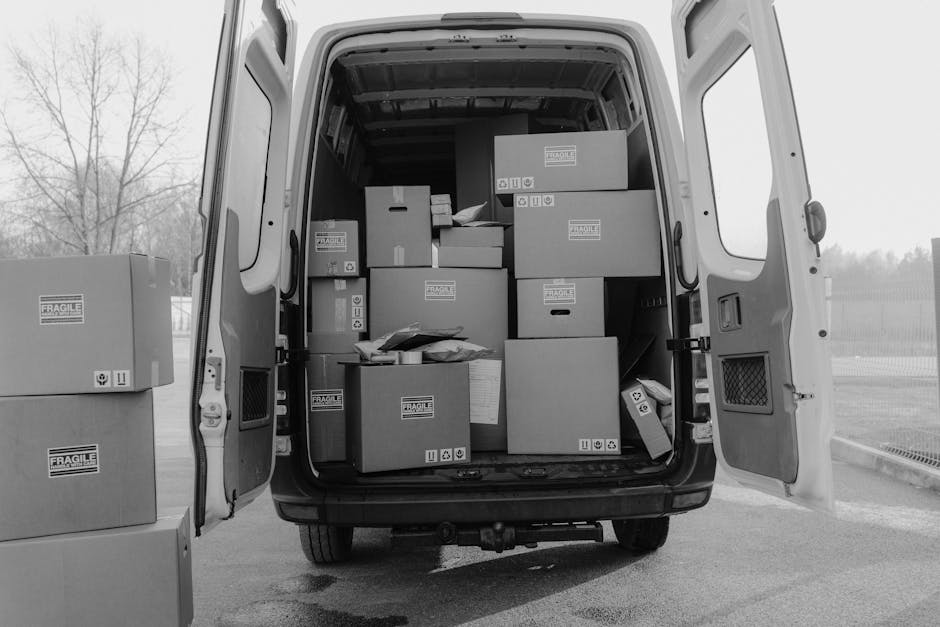
How much for a van load of rubbish in Southwest London?
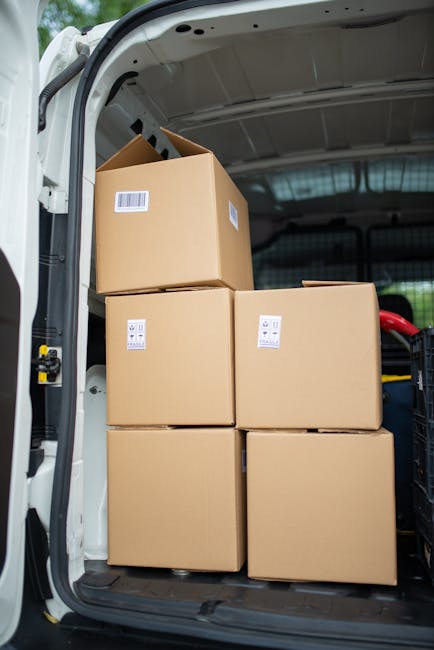
If you are staring at a heap of old furniture, builder's offcuts, broken appliances, or the aftermath of a clear-out, you are probably asking the same thing everyone asks first: how much for a van load of rubbish in Southwest London? The honest answer is that it depends on the type of waste, how full the van is, access, labour, and disposal costs. That said, there are sensible ways to estimate it before you book, and a few common traps that can make a "cheap" job suddenly less cheap.
This guide breaks the price question down in plain English. You will see what a van load usually means, what drives the price up or down, how to compare quotes properly, and how to avoid paying for more than you need. If you are planning a house clear-out, a garage tidy, a flat clearance, or just one awkward pile that has been growing in the corner for weeks, this should help you make a calmer decision. And yes, let's face it, rubbish has a funny way of multiplying when nobody is looking.
Why How much for a van load of rubbish in Southwest London? Matters
Price matters because rubbish removal is rarely just about "taking stuff away". You are also paying for sorting, loading, transport, fuel, disposal, time, and often a fair bit of heavy lifting. In Southwest London, access can make a real difference too. Narrow roads, parking pressure, basement flats, top-floor walk-ups, and busy high streets can all affect the job. A van load in one street might be straightforward; the same van load two miles away might be slower and more expensive because the crew has to park farther off and carry everything down stairs.
It also matters because people often compare rubbish removal to skip hire, van hire, or multiple trips to the tip. Those are not the same service. A proper rubbish clearance service includes labour and disposal, which is convenient if you do not want to spend half a Saturday lifting a wardrobe through a hallway that is, frankly, too small for comfort.
For local households and businesses, understanding the cost helps you avoid underestimating the real work involved. It also helps you spot quotes that are suspiciously vague. If someone gives a number with no details, ask what is included. That one question saves a lot of irritation later.
How How much for a van load of rubbish in Southwest London? Works
The simplest way to think about van-load pricing is this: you are paying for space in a vehicle, but also for the people and logistics behind it. A "van load" usually means a rough volume of waste measured by how much of a truck body it fills. Different companies describe loads differently, so one provider's "quarter load" may not look exactly like another's. That is why photos are so useful.
In practice, a quote is usually built from the following factors:
- Volume: how much space the rubbish takes up once stacked or loaded.
- Weight: heavier waste costs more to transport and dispose of.
- Waste type: mixed household waste, furniture, garden waste, and building rubble all behave differently.
- Access: stairs, long carries, locked doors, parking issues, or distance from the truck.
- Labour: whether the team is simply collecting bags or dismantling and carrying bulky items.
- Disposal route: recycling, transfer stations, reuse, or specialist disposal.
That is the basic model. The better the provider can see the job before arriving, the more accurate the price should be. A few clear photos can make a world of difference. One picture of the pile, one from farther back, and one showing access often tells the story better than a paragraph ever will.
If the rubbish is mixed with reusable items, you may also want to look at related services such as house clearance, home clearance, or flat clearance depending on the property type and how much needs sorting.
Key Benefits and Practical Advantages
People usually book van-load rubbish removal because it is faster, simpler, and less stressful than trying to do everything themselves. There are a few clear advantages.
- Less lifting for you: no hiring a van, no repeated trips, no wrestling with a sofa in the rain.
- Quick turnaround: many clearances can be completed in one visit if the waste is ready.
- Better for bulky items: old wardrobes, broken desks, mattresses, and awkward household clutter are easier when a crew handles the carrying.
- Useful for mixed waste: a van load can take more than one waste type, as long as it is allowed and properly declared.
- Cleaner end result: once the pile is gone, the space often feels usable again straight away. That matters more than people expect.
There is also a financial benefit in some situations. If you only have a moderate amount of rubbish, paying for a full skip can be overkill. A van load can be a neater fit for the job. Equally, if the job is too large for a single van load, a good company should tell you that rather than pretending it will all magically disappear into one trip. Magic is lovely. Logistics are better.
Who This Is For and When It Makes Sense
This kind of rubbish clearance suits a wide range of people in Southwest London:
- Homeowners clearing lofts, garages, spare rooms, or gardens.
- Renters moving out and needing to clear accumulated clutter quickly.
- Landlords preparing a property between tenancies.
- Office managers dealing with old furniture or general waste from a refit.
- Tradespeople who need help removing light construction debris after a project.
- Families sorting out a difficult clear-down after years of stuff being stored "for later".
It makes sense when you have enough waste to justify a collection, but not so much that you need a major site clearance. For example, a few bags, a broken chest of drawers, a TV, and some garden cuttings might fit neatly into a partial van load. By contrast, a full renovation with rubble, plasterboard, and timber may be better suited to a dedicated builders waste service such as builders waste clearance.
It also makes sense if access is awkward or time is tight. If you live in a top-floor flat with no lift, carrying everything yourself is rarely the best use of your energy. At that point, paying for labour starts to look quite reasonable.
Step-by-Step Guidance
If you want a sensible estimate and a smoother collection day, follow this process. It is simple, but it works.
- Sort the waste into rough categories. Separate general rubbish, furniture, garden waste, electricals, and anything that might need special handling.
- Estimate the volume. Think in terms of how much of a van the waste would fill once stacked. A few black bags is not the same as a sofa, three mattresses, and a dismantled wardrobe.
- Take photos from more than one angle. Include wide shots and close-ups. A clear image often beats a long description.
- Note access details. Mention stairs, parking, loading distance, and whether the team will need to dismantle anything.
- Ask what is included. Check loading, labour, disposal fees, and VAT if applicable. Don't assume.
- Confirm what cannot be taken. Some items may need special treatment, especially if they are hazardous or restricted.
- Book a time that suits the property. If neighbours, residents, or business operations are affected, choose a calmer slot where possible.
If you are clearing a room full of mixed household items, the service may overlap with furniture disposal, sofa removal, or rubbish removal. In real life, these jobs often blend together. A "van load" is just the shape the job takes, not always the job itself.
One useful habit: keep the pile in one place, if you can. A neat stack near the entrance is quicker and usually cheaper than rubbish scattered across a garden, hallway, and shed. Small thing, big effect.
Expert Tips for Better Results
Here are the details that often make a surprisingly large difference.
- Be honest about the waste mix. Mixed waste can cost more than plain household rubbish, so do not describe a pile of timber, plaster, and rubble as "just a few bits".
- Tell the company about heavy items. A fridge, treadmill, cast iron bath, or heavy commercial cabinet is not the same as a few bags.
- Ask whether reuse or recycling is possible. Some items may be diverted if they are in good condition. That can help reduce disposal pressure.
- Clear a path first. If the team can move safely and quickly, the job usually flows better.
- Check parking in advance. In Southwest London, parking friction can be the hidden cost nobody talks about until the van is already circling the block.
Also, if you are comparing quotes, compare like with like. One price might cover labour, disposal, and waiting time. Another might look lower because the provider expects the waste to be already bagged, already sorted, and already at the kerb. That is not really the same thing.
A small practical tip from the field: if something can be dismantled easily, do it before collection. Flat-pack furniture, shelving, and bed frames often load better when broken down. You will usually save time, and sometimes a bit of money too.
Common Mistakes to Avoid
Most pricing problems come from a handful of avoidable mistakes. The good news is that they are easy to sidestep once you know them.
- Guessing the size of the load too casually. "It looks like a van load" can be wildly off if there are bulky items or dense waste.
- Forgetting access costs. A first-floor flat with no lift is not the same as a driveway collection.
- Hiding mixed materials. Builders waste, household rubbish, and garden cuttings may all be chargeable differently.
- Assuming all items are accepted. Some waste types need special handling or separate arrangements.
- Not asking about final disposal. A proper provider should explain how the waste will be handled.
Another common mistake is booking the cheapest quote without checking what that actually includes. Low price alone is not a quality signal. Sometimes it is a shortcut, and sometimes it is just a misunderstanding waiting to happen. Nobody enjoys that phone call when the crew arrives and the price changes on the doorstep.
If you are clearing an office, the same advice applies. A modest load of desks and chairs is very different from a full refit, and a service like office clearance may be a better fit than a generic rubbish pick-up.
Tools, Resources and Recommendations
You do not need fancy software to estimate a van load. A few simple tools help more than enough.
- Your phone camera: take clear photos before anything is moved.
- A tape measure: useful for large items like sofas, wardrobes, or sheds.
- Basic room dimensions: helpful if the rubbish fills part of a garage, bedroom, or garden.
- A rough item list: note bulky items separately from bagged waste.
- Notes on access: stairs, parking, lift, loading distance, and gate width.
For many households, the best starting point is to look at the type of clearance rather than just the word "rubbish". If you are dealing with a garage, a dedicated garage clearance page is more relevant. If it is outdoor debris, garden clearance may be the better match. For general domestic clutter, rubbish clearance and waste clearance are useful terms to understand.
And if you simply want to understand the company before booking, the about us page can help you judge whether their approach feels professional and practical.
Law, Compliance, Standards, or Best Practice
Any rubbish collection service should handle waste responsibly and in line with accepted UK practice. For you as the customer, the most important thing is to use a provider that treats waste properly, keeps a clear record of what they are collecting, and disposes of it through lawful channels. You do not need to become an expert in waste regulation, but you do need to avoid handing your rubbish to someone who looks vague, underprepared, or oddly uninterested in where it goes.
Best practice is simple:
- describe the waste accurately;
- separate hazardous or unusual items from ordinary waste;
- check that the provider is clear about what they can and cannot take;
- keep documentation if you are a business customer;
- ask questions if anything feels unclear.
Business customers should be especially careful because office waste, commercial waste, and trade waste can have different handling expectations. If your load includes workspace items, paper archives, or old equipment, business waste and waste removal services may be more appropriate than a standard household clearance.
For domestic jobs, common-sense safety still matters. Keep pathways clear, do not leave sharps exposed, and do not mix up regular junk with anything that could be hazardous. The aim is a tidy removal, not a surprise for the crew. Simple as that.
Options, Methods, or Comparison Table
If you are choosing between a van-load collection and other ways of getting rid of rubbish, this table should help.
| Option | Best for | Pros | Watch outs |
|---|---|---|---|
| Van-load rubbish collection | Medium clear-outs, mixed household waste, bulky items | Convenient, labour included, quick | Price depends heavily on volume, access and waste type |
| Skip hire | DIY projects, ongoing waste over several days | Useful if you are generating waste gradually | You do the loading; parking and permits may be an issue |
| Self-haul | Small amounts and people with the right vehicle | Can be cheaper on paper | Time, fuel, loading effort, and disposal hassle all fall on you |
| Specialist clearance | Houses, flats, offices, gardens, garages, large mixed loads | Tailored to the job, often more efficient | May be unnecessary for a very small load |
For many readers, the real choice is not "cheapest" versus "expensive". It is "cheapest on paper" versus "best value once time, effort, and hassle are included". That distinction matters a lot. A van-load collection often wins when the load is moderate and you want the job gone in one go.
Case Study or Real-World Example
Here is a realistic example. A family in Southwest London cleared out a spare room that had quietly become a storage zone. There were two dismantled shelving units, a small wardrobe, several bags of mixed clutter, an old chair, and a cracked mirror. Nothing outrageous. But it was bulky enough that moving it in a normal car would have taken multiple trips and a fair amount of swearing under the breath.
They sent photos in advance, noted that the property had one narrow staircase, and mentioned that parking was tight on their road. The collection team arrived with the right level of labour, loaded everything efficiently, and finished in one visit. The result was not just an empty room. It was a room they could actually use again. You could almost feel the difference when the door opened.
The useful lesson here is that the cost was shaped by more than the pile itself. Access, item type, and how clearly the job was described all influenced the final price. That is usually how it goes. Not glamorous, but very real.
If the same room had contained mostly soft furnishings, a service like furniture disposal or sofa removal might have been enough. If it had been a whole-property clear-down, a broader house clearance would have made more sense.
Practical Checklist
Before you book, use this quick checklist. It keeps the process simple.
- Have I estimated the van load realistically?
- Have I separated bulky items from loose rubbish?
- Have I taken clear photos of the waste and access route?
- Have I noted stairs, parking issues, lifts, or long carries?
- Do I know whether the load is household, garden, business, or builders waste?
- Have I checked whether any item needs special handling?
- Do I understand what is included in the quote?
- Have I compared value, not just headline price?
- Is the collection service suited to the type of property?
- Am I ready for the crew to work safely and quickly on arrival?
If you can tick most of those off, you are in good shape. The smoother the prep, the less likely you are to face awkward surprises. And honestly, that is half the battle.
Conclusion
So, how much for a van load of rubbish in Southwest London? The truthful answer is that there is no single number that fits every job, because waste volume, item type, labour, access, and disposal all shape the price. But once you know what the quote is really based on, the whole thing becomes much easier to judge.
For most people, the best approach is to collect a few photos, describe the load clearly, and compare quotes on the same basis. That gives you a better sense of fair value than trying to guess from a vague headline price. If your job is larger or more specific, it may be worth looking at related services such as waste collection or waste disposal so the service matches the waste properly.
Get a free quote today and see how much you can save.
When the right team turns up, the pile disappears, the room breathes again, and the whole place feels lighter. That is the real value, truth be told.
Frequently Asked Questions
What does a van load of rubbish usually mean?
It usually means a rough amount of waste that fills part or all of a collection van. Different companies size van loads slightly differently, so photos are the most reliable way to estimate it.
Is a van load cheaper than hiring a skip?
Sometimes, yes, especially if you want the labour included and do not want to load everything yourself. A skip can work better for ongoing DIY waste, but it is not always the easier or cheaper option overall.
Why do prices vary so much in Southwest London?
Because access, parking, waste type, and labour all matter. A job in a top-floor flat with no lift will usually cost more than a ground-floor collection with easy kerbside access.
Can I get an accurate price from photos?
Usually, yes. Clear photos of the pile and access route help a lot. If the waste is mixed or unusually heavy, a short description alongside the pictures improves accuracy.
What items make a van load more expensive?
Heavy materials, bulky furniture, mixed waste, and anything that takes longer to carry or sort can increase the price. Builders waste and dense rubble often cost more than light household clutter.
Do I need to sort the rubbish before collection?
It helps, but you usually do not need to sort everything into tiny categories. A basic separation between general rubbish, furniture, garden waste, and builders waste is often enough.
Can a van load include furniture and bags of waste together?
Yes, in many cases it can, as long as the provider knows what is included. Mixed loads are common, but they should be described honestly so the quote reflects the real job.
What if I have more than one van load?
Then the job may need a larger collection or multiple loads. A good provider should explain whether it is still manageable in one visit or whether a broader clearance would be better.
Is office rubbish priced differently from household rubbish?
It can be. Office waste may involve furniture, paper, electronics, and commercial disposal expectations. If the load is business-related, a dedicated office clearance or business waste service may be more suitable.
What should I ask before I book?
Ask what the quote includes, whether labour and disposal are covered, what cannot be taken, and whether access issues could change the price. Those few questions usually cut through confusion fast.
Can garden waste be collected in a van load?
Yes, often it can. Hedge cuttings, branches, turf, and general garden clutter are commonly removed this way, although larger green waste jobs may be better suited to a dedicated garden clearance.
How can I keep the cost down?
Make the rubbish easy to access, separate anything bulky, describe the load accurately, and avoid last-minute surprises. A neat, honest description is usually the best money-saving tool you have.
Where can I learn more about the company before booking?
You can review the about us page and related service pages to get a better sense of how the team works and which clearance type fits your needs.